What Happens to Your Junk Car After It Gets Picked Up in Portland?
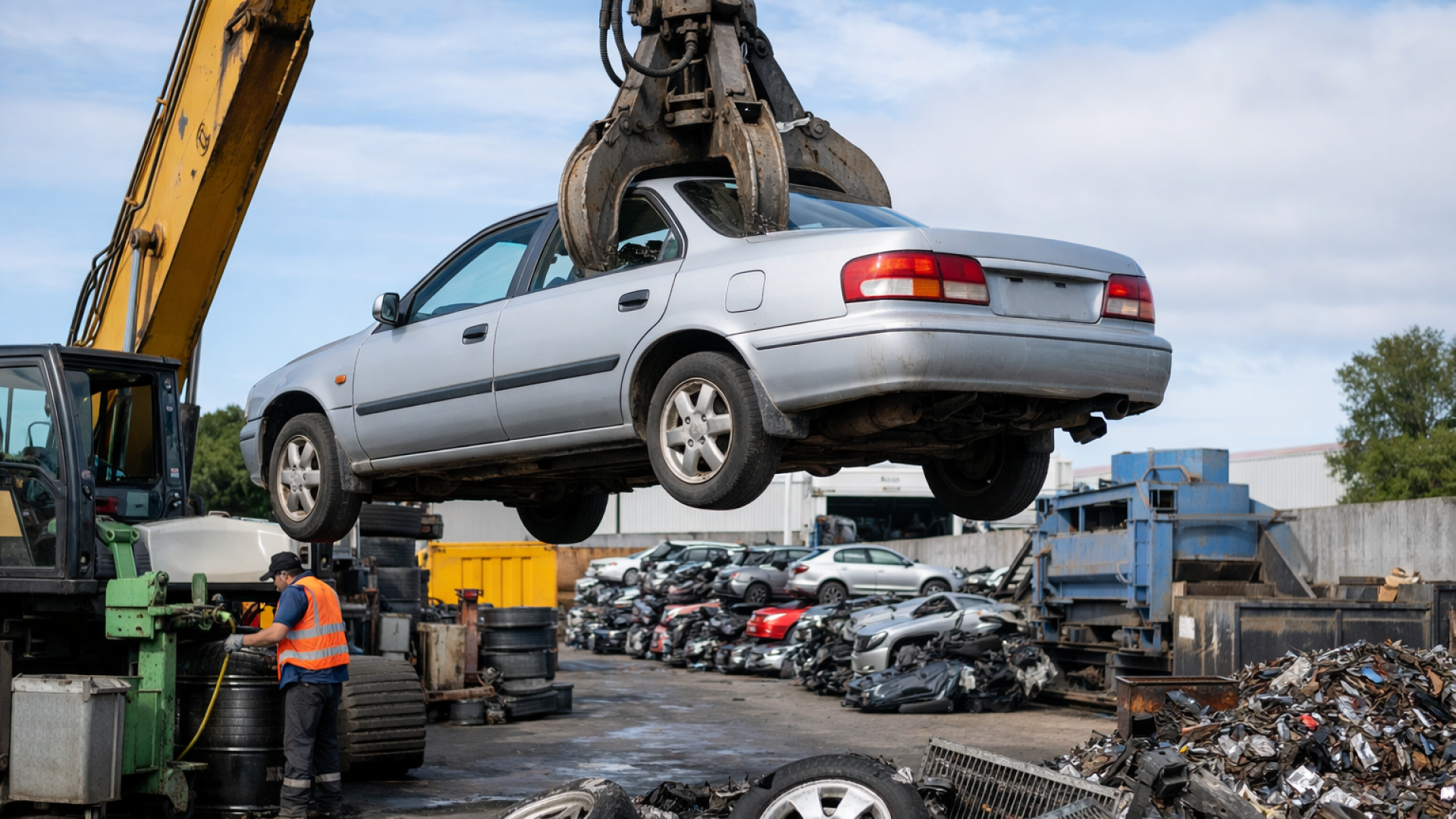
Many Portland vehicle owners wonder what actually happens after a junk car gets towed away. Once the tow truck leaves, most people never see the vehicle again — but the car’s journey is far from over.
In reality, junk cars go through a detailed process involving inspection, recycling, parts salvaging, hazardous material removal, and metal recovery. Whether your vehicle is damaged, totaled, non-running, or simply too expensive to repair, it still contains valuable materials and reusable components.
Companies like Cash For Junk Cars NW explain that old vehicles are often recycled, dismantled, or salvaged to recover usable automotive parts and recyclable metals. This process helps reduce waste while supporting Portland’s growing auto recycling industry.
This guide explains exactly what happens to your junk car after pickup in Portland, why the recycling process matters, and how your old vehicle may continue providing value long after you sell it.
Why Junk Cars Still Have Value
Many people assume junk cars are worthless because they no longer run properly. However, even severely damaged vehicles contain valuable materials.
A junk car may include:
Reusable engines
Transmission components
Catalytic converters
Batteries
Aluminum wheels
Electronic modules
Copper wiring
Steel body panels
Tires and rims
According to Portland-area junk car buyers, salvageable parts and recyclable metal are major reasons these vehicles can still generate cash offers.
Even vehicles with major mechanical failure may still contain hundreds or thousands of dollars in reusable components. Sellers researching vehicle pricing often review guides like Complete Guide to Junk Car Valuation in 2026: How Prices Are Decided to better understand how recyclers calculate offers.
The First Step After Pickup: Vehicle Inspection
Once your junk car is picked up, it is usually transported to:
An auto salvage yard
A recycling facility
A dismantling center
A scrap processing facility
At the facility, technicians inspect the vehicle carefully.
The inspection typically determines:
Which parts can be reused
Whether the car can be partially repaired
Scrap metal value
Hazardous material handling requirements
Overall salvage potential
Some Portland-area buyers specifically mention evaluating vehicles for parts resale before scrapping the remaining materials.
If you want a better idea of how pickup and inspection work locally, resources like How Junk Car Pickup Works in Portland explain the process in more detail.
Usable Parts Are Removed and Resold
One of the most important stages in the junk car process is parts salvaging.
Commonly Recycled Auto Parts
Even if the vehicle no longer runs, many parts may still work perfectly.
Common reusable components include:
Alternators
Starters
Radiators
Doors
Headlights
Mirrors
Seats
Tires
Wheels
Airbags
GPS systems
Engines
Transmissions
These parts are often cleaned, tested, and resold to:
Auto repair shops
Vehicle rebuilders
Used parts dealers
Drivers seeking affordable replacement parts
This is one reason certain vehicles receive higher cash offers than others.
Newer vehicles or popular models often contain parts with strong resale demand. In fact, companies frequently explain in blogs like What Makes Our Cash Offers Competitive in Portland that usable components heavily influence final payout amounts.
Hazardous Fluids Are Safely Removed
Before a junk car can be crushed or recycled, dangerous automotive fluids must be removed safely.
Fluids Typically Extracted Include:
Engine oil
Transmission fluid
Brake fluid
Coolant
Gasoline
Power steering fluid
Air conditioning refrigerant
Proper disposal is extremely important because leaking automotive fluids can contaminate soil and water.
Portland has strong environmental awareness and recycling standards, which is why licensed salvage and recycling operations follow strict handling procedures.
Many local cash-for-cars companies promote environmentally friendly vehicle recycling practices. Environmental topics are also discussed in articles like Environmental Benefits of Recycling Junk Cars the Right Way.
Batteries, Tires, and Catalytic Converters Are Processed Separately
Certain vehicle components require specialized recycling.
Car Batteries
Lead-acid batteries contain hazardous materials but are highly recyclable.
Most battery materials can be reused in manufacturing new batteries.
Tires
Old tires may be:
Recycled into rubber products
Used in construction materials
Processed into fuel products
Catalytic Converters
Catalytic converters contain precious metals such as:
Platinum
Palladium
Rhodium
These materials are extremely valuable in recycling markets.
Because catalytic converters contain valuable metals, they are carefully removed and processed separately. Sellers often learn more about this topic through resources like Catalytic Converter Value: What Makes It So Important in Junk Cars.
The Vehicle Is Crushed and Sent for Scrap Metal Recycling
After usable parts and fluids are removed, the remaining vehicle shell is typically crushed or shredded.
What Happens During Metal Recycling?
The metal recycling process usually involves:
Crushing the vehicle body
Shredding metal into smaller pieces
Separating steel, aluminum, and copper
Sending metals to recycling facilities
Melting metals for reuse
A Reddit discussion explaining scrap metal recycling notes that metals are sorted, shredded, melted, purified, and eventually reused in manufacturing new products.
Metal pricing also affects how much junk cars are worth. Market factors are explained further in How Scrap Metal Prices Influence Your Junk Car Cash Offer.
Recycled Metal From Junk Cars Gets Reused
Many people are surprised to learn how much of a vehicle can be recycled.
Recycled automotive metal may later become:
New vehicles
Construction materials
Appliances
Industrial equipment
Electronics
Manufacturing components
According to Portland junk car recycling businesses, auto recycling reduces the need for mining and raw material extraction.
This makes vehicle recycling an important part of the circular economy.
Some Junk Cars Are Rebuilt Instead of Scrapped
Not every junk car gets crushed.
In some situations, vehicles are repaired and rebuilt.
This is more common when:
Damage is cosmetic
Parts are easily replaceable
The vehicle is newer
The frame remains intact
Rebuilt vehicles may later receive salvage or reconstructed titles depending on Oregon regulations.
However, heavily damaged vehicles are usually dismantled for parts and scrap instead. Owners of heavily damaged vehicles often review Accident Cars vs Total Loss Vehicles: What You Should Know Before Selling before deciding what to do next.
Why Portland Has a Strong Auto Recycling Industry
Portland’s vehicle recycling market is especially active because of several local factors.
Weather Damage
The Pacific Northwest climate contributes to:
Rust
Moisture damage
Electrical problems
Older Vehicle Ownership
Many Portland residents keep vehicles for long periods, increasing the number of aging cars entering the junk market.
Environmental Awareness
Portland residents often prioritize sustainable recycling and environmentally responsible disposal.
Demand for Used Parts
Repair shops and drivers frequently seek affordable used parts for older vehicles.
All of these factors support a strong local salvage and recycling industry. Companies such as Cash For Junk Cars NW Services continue supporting this demand through junk car pickup, towing, and recycling assistance across the Portland area.
How Junk Car Recycling Benefits Portland Residents
Frees Up Space
Old vehicles take up valuable room in garages, driveways, and parking areas.
Reduces Environmental Waste
Recycling helps prevent unnecessary landfill waste.
Supports Affordable Repairs
Used auto parts help drivers save money on repairs.
Conserves Natural Resources
Reusing metals reduces the need for mining and manufacturing raw materials.
Removes Unsafe Vehicles
Non-running and abandoned vehicles can become safety hazards over time.
Common Myths About Junk Cars After Pickup
“My Car Just Goes Straight to a Crusher”
Not immediately.
Most vehicles are first inspected for reusable parts and recyclable materials.
“Non-Running Cars Have No Value”
Even vehicles with severe engine failure may contain valuable components.
“Old Cars Only Get Scrapped for Metal”
Many parts are removed and resold before metal recycling begins.
“The Entire Car Is Waste”
Modern auto recycling can recover a large percentage of vehicle materials.
How Long Does the Junk Car Recycling Process Take?
The timeline varies depending on:
Vehicle condition
Facility workload
Parts demand
Scrap processing schedules
Some cars may be dismantled within days.
Others may sit temporarily in salvage inventory if parts are likely to sell.
What Portland Sellers Should Remove Before Pickup
Before your junk car is towed away, make sure to remove:
Personal belongings
License plates
Registration documents
Insurance paperwork
Garage remotes
Electronic devices
Toll passes
Many sellers forget to check:
Glove compartments
Trunks
Under seats
Door pockets
Once the vehicle enters dismantling or recycling, retrieving personal items becomes difficult. Helpful preparation checklists can also be found in Top Tips Before Selling Your Junk or Unwanted Vehicle.
What Documents Are Usually Required?
Most Portland junk car buyers request:
Vehicle title
Government-issued ID
Bill of sale signature
Some buyers may still purchase vehicles without titles depending on ownership verification and Oregon regulations.
Sellers dealing with missing paperwork frequently read Selling a Car Without a Title: What You Need to Know to understand the process more clearly.
Several Portland-area companies also state they assist with paperwork and DMV documentation.
Why More Portland Residents Are Choosing Junk Car Buyers
Many vehicle owners prefer direct buyers because they avoid:
Online scams
Lowball offers
Repair costs
Advertising hassles
Private meetups
Expensive towing fees
Portland cash-for-cars companies frequently advertise:
Same-day pickup
Free towing
Immediate payment
Quick paperwork handling
Businesses like Cash For Junk Cars NW and their About Page explain how streamlined junk car removal simplifies the selling process for Portland drivers.
People looking for quick service can also explore How to Get a Fast Quote From Cash For Junk Cars NW or directly contact the company for pickup information.
Frequently Asked Questions
What happens to junk cars after they are picked up?
Most junk cars are inspected, dismantled for usable parts, drained of fluids, and eventually recycled for scrap metal.
Are junk cars environmentally recycled?
Yes. Many vehicle materials including steel, aluminum, batteries, and tires can be recycled and reused.
Do salvage yards reuse old car parts?
Absolutely. Many engines, transmissions, wheels, electronics, and body panels are resold as used auto parts.
Can non-running cars still be valuable?
Yes. Even non-running vehicles may contain valuable parts and recyclable metals.
What happens to fluids inside junk cars?
Fluids such as oil, coolant, gasoline, and transmission fluid are safely removed before recycling begins.
Do all junk cars get crushed?
No. Some vehicles are partially repaired or dismantled for parts before the remaining shell is crushed and recycled.
Why are catalytic converters valuable?
Catalytic converters contain precious metals like platinum and palladium, which are highly valuable in recycling markets.
How does junk car recycling help Portland?
It reduces waste, supports recycling industries, conserves raw materials, and removes old polluting vehicles from circulation.
Final Thoughts
After your junk car gets picked up in Portland, it enters a surprisingly detailed recycling and salvage process. What may seem like a worthless vehicle often becomes a source of reusable parts, recyclable metals, and environmentally recoverable materials.
From dismantling valuable components to recycling steel and safely removing hazardous fluids, junk car processing plays an important role in both Portland’s economy and environmental sustainability efforts.
Instead of sitting unused and deteriorating, your old vehicle may help repair other cars, supply recycled materials for manufacturing, and reduce unnecessary waste.
If you are considering selling an unwanted vehicle, you can learn more about the process through Cash For Junk Cars NW, including how junk car pickup, recycling, and instant cash offers work throughout the Portland area.