
Can You Sell a Wrecked Car Without Repairing It First?
Introduction
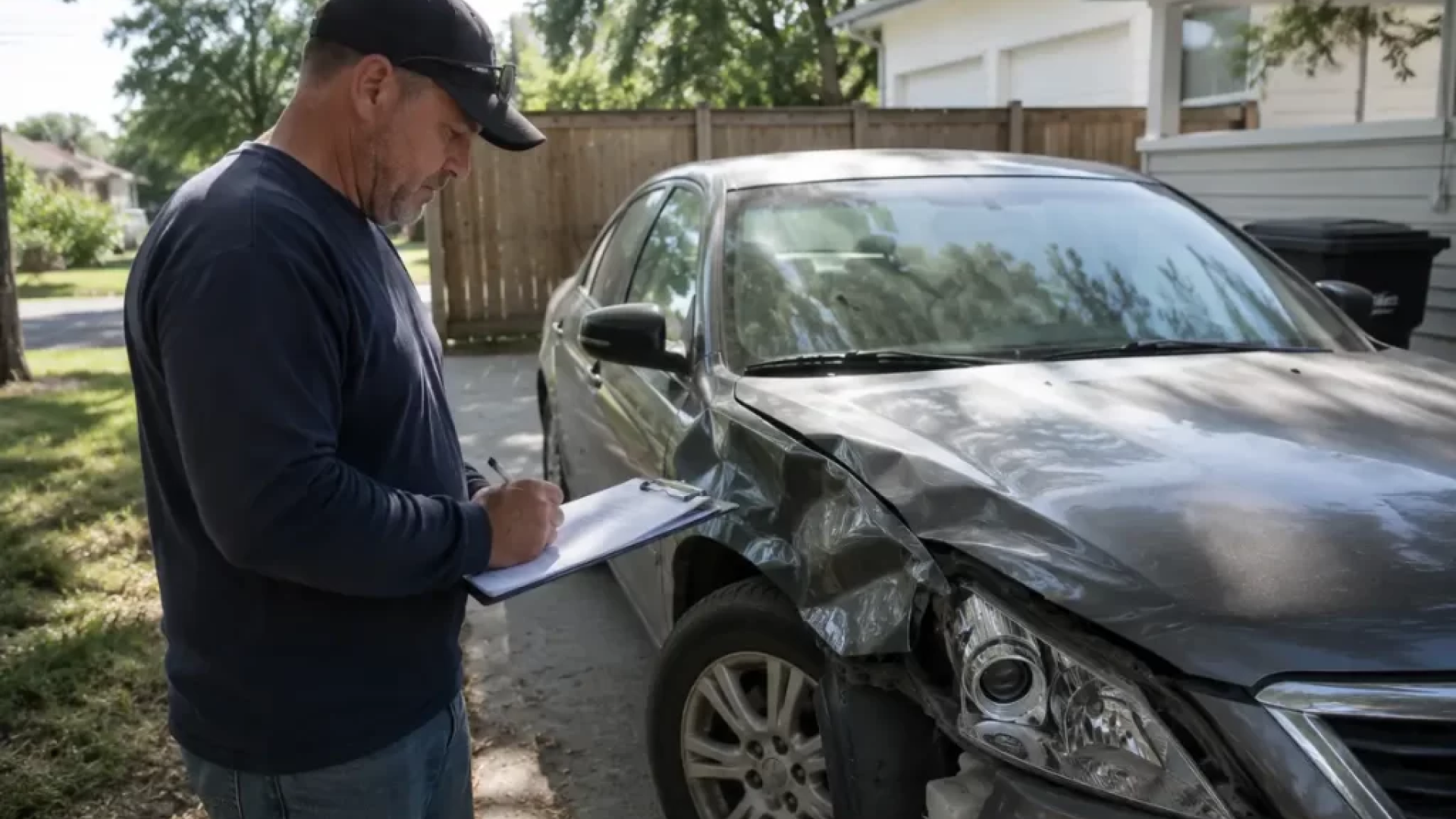
A serious accident can leave a vehicle looking like it belongs in a repair shop—or a junkyard. If your car has a crushed bumper, damaged doors, broken glass, bent panels, or more extensive collision damage, you may wonder whether you have to repair it before you can sell it. In many cases, you can sell a wrecked car without repairing it first. In fact, repairing a heavily damaged vehicle solely to make it easier to sell may not always make financial sense. The better option depends on the vehicle's condition, title status, repair costs, market value, and what type of buyer you choose. For owners in Portland and surrounding areas, selling a damaged vehicle as-is can be a practical alternative to paying for repairs, arranging a private sale, or keeping an unsafe or unusable car on the property. Cash-for-junk-car buyers commonly evaluate vehicles based on their remaining value, parts, scrap value, condition, and other factors rather than requiring the owner to restore the vehicle first. This guide explains how selling a wrecked car works, what information you should have ready, whether repairing the vehicle is worth considering, and what to expect during the selling process.
Can You Sell a Wrecked Car Without Repairing It?
Yes, a wrecked car can often be sold without repairing it first. Buyers who purchase damaged, junk, or non-running vehicles may be willing to evaluate the car in its current condition. That means you do not necessarily need to replace the bumper, repair the body, repaint the vehicle, fix mechanical problems, or make it roadworthy before asking for an offer. The key distinction is between selling a vehicle as-is and selling a fully repaired used car. A private buyer looking for reliable transportation may expect the vehicle to be repaired. A buyer interested in damaged vehicles, salvageable parts, recycling, or other forms of vehicle recovery may have a different set of criteria.
What Does "Selling a Car As-Is" Mean?
Selling a car as-is means the vehicle is offered in its current condition rather than after repairs or restoration. For a wrecked vehicle, that condition could include:
Collision damage
Broken or missing body panels
Damaged bumpers
Broken windows or lights
Mechanical problems
Flood or weather damage
Missing parts
A vehicle that no longer runs
Significant cosmetic damage
A vehicle that has been sitting for an extended period
An as-is sale does not mean you should hide problems. Being straightforward about the vehicle's condition helps the buyer understand what they are evaluating and can make the transaction easier.
Why Repairing a Wrecked Car May Not Be Worth It
One of the biggest mistakes owners can make after an accident is assuming that repairing the vehicle will automatically increase the amount they receive when selling it. That is not always the case. Collision repairs can involve bodywork, replacement parts, paint, glass, suspension components, mechanical repairs, alignment work, electrical components, and other expenses. If the vehicle has substantial damage, the total repair bill can become significant.
Compare Repair Costs With the Vehicle's Value
Before spending money on repairs, consider a simple comparison:
Expected value after repairs − repair expenses = potential net value
For example, imagine a vehicle could potentially sell for $8,000 in good repaired condition, but the estimated repairs would cost $6,000. That does not necessarily mean you will be better off repairing it. You would also need to consider the vehicle's pre-accident condition, mileage, title status, repair quality, labour, parts, and the amount of time involved. If the repair cost is high relative to the vehicle's value, selling the damaged car as-is may be worth considering.
Some Damage Goes Beyond Appearance
A wrecked car may look repairable from the outside while having damage underneath. Depending on the accident, there could be problems involving the frame, suspension, steering, drivetrain, cooling system, airbags, electrical components, or other safety-related systems. That is one reason a professional inspection or repair estimate can be useful before making a decision. You do not want to base your decision solely on what you can see from the driveway.
What Types of Wrecked Cars Can Be Sold?
There is no single definition of a "wrecked car." Damage can range from a relatively minor collision to a vehicle that is severely damaged and no longer practical to repair. A buyer may evaluate:
Cars With Body Damage
Vehicles with crushed fenders, damaged doors, dents, broken bumpers, or other exterior damage may still have value. The extent of the damage, vehicle model, age, mileage, parts, and overall condition can all influence the evaluation.
Cars With Mechanical Damage
A vehicle does not necessarily need to run to be considered for sale. Engine problems, transmission failure, overheating, electrical faults, or other mechanical issues can make a vehicle difficult to sell privately, but damaged or junk-car buyers may still be interested.
Cars With Severe Accident Damage
A vehicle with extensive collision damage may have limited resale value as a conventional used car. However, it may still contain usable components or have value based on its remaining materials and parts.
Non-Running Wrecked Cars
If the vehicle cannot be driven, transportation becomes another concern. Rather than paying for a tow just to get the vehicle to a buyer, some junk-car services provide towing or vehicle removal as part of the selling process. This can make an as-is sale more practical for owners dealing with severely damaged vehicles. See also selling a non-running car to understand what owners can expect.
Does a Wrecked Car Need to Be Drivable to Sell It?
No, a wrecked car does not necessarily have to be drivable to sell it. A vehicle may still be considered even if it has a dead battery, damaged wheels, engine problems, collision damage, or other issues that prevent it from being driven safely. The important point is to tell the buyer about the vehicle's condition before pickup.
Why Drivability Matters to the Buyer
Whether a vehicle runs can affect its value and how it needs to be handled. A running vehicle may be easier to move and may have more usable components. A non-running vehicle may require specialized loading or towing equipment. For the owner, however, the fact that a wrecked car does not run does not automatically mean it has no value.
What Information Should You Give a Buyer?
Accurate information helps a buyer determine whether the vehicle is a good fit and can make the selling process more efficient. Before requesting an offer, gather as much of the following information as possible:
Vehicle year
Make and model
Mileage
General condition
Description of accident damage
Whether the vehicle runs
Major mechanical problems
Missing parts
Tire and wheel condition
Title information
Vehicle location
Whether the airbags deployed
Any other significant issues you know about
You do not need to be a mechanic to describe the vehicle. If you are unsure about a technical problem, simply explain what happened and what you observed. For example, saying that "the car was involved in a front-end collision and has not been driven since" is more useful than guessing about a specific mechanical failure.
Should You Repair a Wrecked Car Before Selling It?
There is no universal answer. The right decision depends on the numbers and the vehicle itself. A few questions can help you decide.
How Much Would the Repairs Cost?
Get a realistic estimate rather than guessing based on the visible damage. A vehicle that appears to need only a bumper may have additional damage underneath. Conversely, some damage may be mostly cosmetic and less expensive to address.
How Much Was the Car Worth Before the Accident?
Research comparable vehicles based on year, model, mileage, trim, and condition. The pre-accident value provides useful context when deciding whether major repairs make financial sense.
How Much Would the Car Be Worth After Repairs?
A repaired vehicle does not necessarily return to its original market position, particularly when the accident is reflected in its history or title. Consider the likely resale value after repairs, not simply the cost of fixing the visible damage.
Do You Actually Want to Keep the Vehicle?
Sometimes the financial calculation is only part of the decision. If you no longer trust the vehicle, need a different car, or do not want to manage a lengthy repair process, selling the wrecked vehicle as-is may be more convenient.
How Does Selling a Wrecked Car As-Is Work?
The process is generally straightforward, but the exact steps depend on the buyer.
Step 1: Gather Basic Vehicle Information
Start with the year, make, model, mileage, condition, and location. If you have photographs showing the damage, keep them available. Clear photos can help communicate the vehicle's condition.
Step 2: Explain the Damage
Be specific about what happened. Mention whether the vehicle was involved in an accident, whether it starts, and whether there are obvious mechanical or structural problems.
Step 3: Receive an Evaluation or Offer
The buyer may use the information you provide to determine whether the vehicle fits its purchasing criteria and what it may be worth. The amount offered can depend on factors such as condition, vehicle type, demand for parts, damage, location, and other characteristics.
Step 4: Review the Terms
Before agreeing to a sale, make sure you understand the payment arrangements, pickup process, required documents, and any other conditions. A legitimate transaction should be clear about what happens next.
Step 5: Arrange Vehicle Pickup
If the car cannot be driven, towing is usually necessary. Cash For Junk Cars NW serves Portland, Oregon, and nearby areas and offers free towing for qualifying vehicle purchases, making removal easier for owners with wrecked or non-running cars.
Step 6: Complete the Paperwork and Payment
Have the required ownership documents available and follow the applicable Oregon requirements for transferring or releasing the vehicle. The exact paperwork can vary depending on the vehicle and circumstances, so it is wise to verify current requirements with the Oregon Department of Transportation or Oregon DMV when necessary.
What About a Salvage or Rebuilt Title?
Title status can affect how a wrecked vehicle is sold. A severely damaged vehicle may receive a salvage title or another title designation depending on the circumstances and applicable state requirements. A rebuilt or reconstructed vehicle can have a different history from a vehicle with a standard title. Do not assume that title status makes a vehicle impossible to sell. Instead, disclose the title status to potential buyers and understand what documentation is required for the transaction.
Why Title Information Matters
Title records help establish ownership and provide information about the vehicle's history. If you have the title, review it before starting the selling process. If the title has been lost, damaged, or has another issue, find out what steps are required to resolve the problem before the vehicle changes hands. For additional information, see selling a car without a title.
Common Mistakes When Selling a Wrecked Car
Selling a damaged vehicle does not have to be complicated, but several mistakes can make the process harder.
Spending Too Much on Repairs
Do not automatically spend thousands of dollars repairing a vehicle simply because you believe a repaired car must be worth more. Calculate the potential return before authorizing major work.
Hiding the Extent of the Damage
Trying to make a wrecked car appear healthier than it is can create problems later. Be honest about accident damage, mechanical issues, missing components, and whether the vehicle runs.
Forgetting About Transportation Costs
If the vehicle is not drivable, remember to account for towing. A seemingly attractive offer can become less appealing if you have to pay a substantial amount just to transport the car.
Failing to Confirm Ownership Documents
Have your title and other relevant paperwork organized before the vehicle is picked up. Missing documentation can delay a sale.
Accepting an Offer Without Understanding the Terms
Ask questions if anything about the transaction is unclear. Know who is responsible for towing, how payment will be made, when the vehicle will be removed, and what documents you need to provide.
Practical Tips Before Selling a Wrecked Car
Before arranging a sale, take a few minutes to prepare.
Take clear photos. Photograph the front, rear, sides, interior, wheels, dashboard, and damaged areas.
Write down the vehicle details. Having the VIN, mileage, year, make, and model available can make communication easier.
Describe the accident honestly. Explain what you know without trying to diagnose problems you cannot confirm.
Check your title. Make sure you understand the vehicle's ownership and title status.
Remove personal belongings. Check the glove box, centre console, trunk, door pockets, and other storage areas.
Compare your options. Consider the likely repair cost, potential resale value, towing expenses, time involved, and convenience.
Ask about pickup. If the car cannot be driven, confirm how it will be transported and whether towing is included.
For more preparation advice, see top tips before selling your junk or unwanted vehicle.
What Happens to a Wrecked Car After It Is Sold?
A wrecked vehicle does not necessarily have only one possible destination. Depending on its condition, a damaged vehicle may be evaluated for reusable components, recyclable materials, or other forms of recovery. Usable parts can sometimes have value even when repairing the complete vehicle is not economical. Other materials can enter recycling processes. The important takeaway for an owner is simple: a wrecked car can still have value even when it is no longer practical to repair. For more information, see what happens to your junk car after it gets picked up in Portland.
Frequently Asked Questions
Can I sell a wrecked car without fixing it?
Yes. Many buyers purchase damaged vehicles in their current condition. You should describe the vehicle's damage accurately and provide relevant information about its condition, title, and whether it runs.
Is it better to repair a wrecked car or sell it as-is?
It depends on the repair cost and the vehicle's potential value after repairs. Compare the estimated repair expenses with the likely resale value before deciding.
Can I sell a car that was damaged in an accident?
Yes. Accident-damaged vehicles can often be sold as-is. The amount a buyer is willing to offer may depend on the extent of the damage, vehicle condition, model, mileage, title status, and other factors.
Can I sell a wrecked car that does not run?
Yes. Non-running wrecked cars can still have value. Buyers may evaluate the vehicle based on its parts, materials, condition, and other characteristics. Transportation will generally need to be arranged if the vehicle cannot be driven.
Do I need to repair body damage before selling my car?
Not necessarily. You can often sell a vehicle with dents, crushed panels, broken bumpers, or other body damage without repairing it first. Whether repairs are worthwhile depends on their cost compared with the vehicle's expected value.
Can I sell a totalled car for cash?
In many situations, yes. A vehicle considered a total loss may still have value. Its condition, title status, remaining parts, and other factors can affect what a buyer is willing to pay.
Does a salvage title make a car impossible to sell?
No. A salvage title can affect the vehicle's marketability and value, but it does not automatically make the vehicle unsellable. Be transparent about the title status and follow applicable state requirements.
What documents do I need to sell a wrecked car?
The exact requirements depend on the vehicle and state. Ownership documentation, such as the title, is commonly important. Before completing the sale, confirm the current requirements that apply to your situation.
Should I get my wrecked car appraised before selling it?
Getting an independent repair estimate or researching comparable vehicles can help you understand the car's potential value. This information can be useful when comparing the cost of repairing the vehicle with selling it as-is.
Can I sell a wrecked car that has been sitting for a long time?
Often, yes. A vehicle that has been sitting may have additional issues such as a dead battery, flat tires, rust, or mechanical deterioration. Describe its current condition accurately so the buyer can evaluate it appropriately.
Conclusion
A wrecked car does not automatically need to be repaired before you sell it. If collision damage is extensive, repair costs may make restoration impractical, particularly when the vehicle's potential value does not justify the expense. Selling the vehicle as-is can provide another option. The key is to understand what you have, document the condition honestly, check your ownership paperwork, consider the cost of repairs and transportation, and compare your available selling options. For vehicle owners in Portland and nearby areas, Cash For Junk Cars NW purchases unwanted, damaged, wrecked, and non-running vehicles and offers free towing, convenient pickup, and payment when the vehicle is removed. That can be particularly useful when a damaged vehicle is no longer worth repairing or driving. The right decision ultimately comes down to the vehicle's condition, your financial situation, and how much time and effort you want to put into the next step. Before spending money on repairs, take a clear look at the numbers and consider whether selling the wrecked car in its current condition may be the simpler choice.
