
Introduction
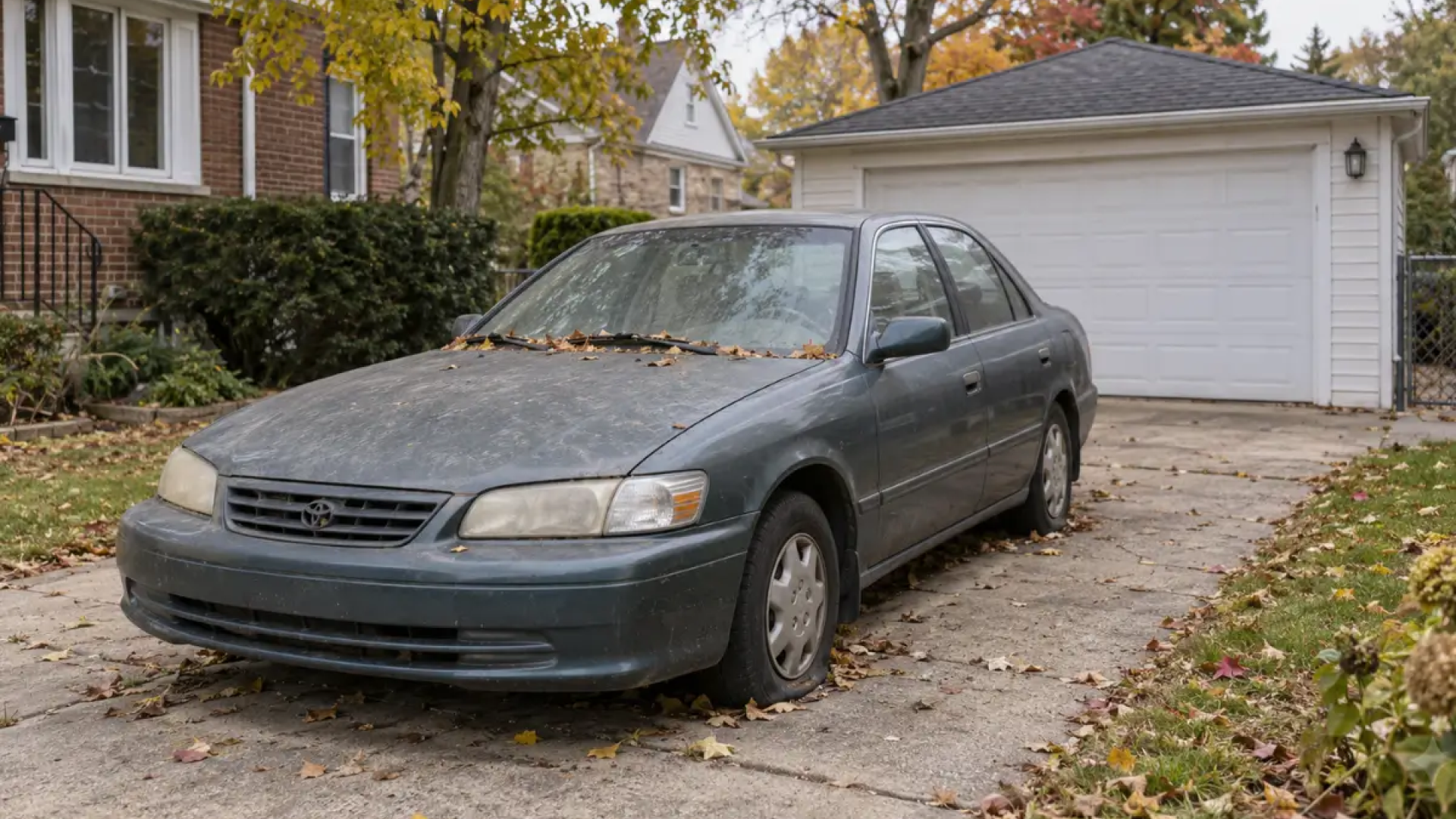
An old car can take up valuable space long after it stops being useful. It might sit in your driveway with a dead battery, occupy half a garage, or remain parked beside your home because repairs cost more than the vehicle is worth. Over time, that unused vehicle can become an obstacle to everyday tasks, home improvement projects, and plans to make better use of your property. Selling a junk car is one way to reclaim that space without trying to repair, advertise, and sell the vehicle privately. Depending on its condition and your circumstances, a junk car buyer may provide a cash offer, arrange pickup, and remove the vehicle even if it no longer runs. For Portland, Oregon, residents with unwanted cars, trucks, SUVs, or vans, understanding the process can make it easier to decide what to do next. This guide explains how selling a junk car helps clear space quickly, what affects the removal timeline, how to prepare your vehicle, and what to check before arranging pickup.
Why an Unwanted Vehicle Can Become a Space Problem
A vehicle does not have to be completely wrecked to take up space unnecessarily. Sometimes, it is an older car that has been replaced by another vehicle. In other cases, it may have mechanical damage, expired registration, missing parts, or repairs that no longer make financial sense.
Driveways and Garages Have Limited Space
A parked junk car can prevent you from using your driveway for another vehicle, outdoor equipment, or everyday household activities. In a garage, it may occupy space that could be used for storage, a workbench, bicycles, or seasonal belongings. This can be particularly frustrating when the vehicle has not moved for months. You may find yourself working around it instead of using the property as intended. Removing an unwanted car creates an immediate opportunity to reorganize the area. Once the vehicle is gone, you can decide how to use the newly available space, whether that means parking another car, cleaning the garage, or starting a home project.
Non-Running Cars Often Stay Longer Than Expected
A car that will not start can be difficult to sell through a traditional private listing. Potential buyers may want to inspect it, arrange transportation, negotiate the price, or ask for repairs before committing to a purchase. Those extra steps can make the vehicle remain on the property longer than planned. If you do not want to spend money repairing it or coordinating multiple buyer visits, a junk car removal service may offer a more practical route. Learn more about selling a non-running car and what to expect.
An Unused Vehicle Can Delay Other Plans
An unwanted vehicle may be blocking access to a shed, taking up room needed for a renovation, or preventing you from preparing a property for sale or rent. Even if the car is not causing a mechanical problem, its presence can make other tasks more difficult. Selling the vehicle helps separate the disposal decision from your other plans. Instead of waiting until you have time to repair or advertise it, you can explore a direct sale and arrange removal if the offer and terms work for you. For more information, read about selling a vehicle that is taking up valuable space at your property.
How Selling a Junk Car Helps You Clear Space Quickly
Selling a junk car can simplify the removal process because you are dealing with a buyer interested in the vehicle in its current condition, rather than finding someone who expects it to be ready to drive.
You May Not Need to Repair the Vehicle First
A junk car buyer may consider vehicles that have engine trouble, transmission problems, collision damage, rust, or other serious defects. Some buyers also accept vehicles that are missing certain parts, although eligibility depends on the vehicle and the buyer's policies. This can save you from spending money on repairs just to make the car easier to sell. Before agreeing to a sale, describe the vehicle honestly and ask whether the buyer accepts its current condition. For example, imagine an older sedan that needs a costly transmission repair. Instead of paying for the repair and then trying to sell the car, you could request an offer for the vehicle as it stands. If the offer and removal terms make sense, you can move directly to arranging pickup. If you are unsure whether repairs are worthwhile, review whether it is worth repairing an old car before selling it for cash.
Pickup Can Eliminate the Need to Drive or Transport It
A vehicle that no longer runs cannot simply be driven to a dealership or buyer. You may otherwise need to pay for towing, borrow a trailer, or arrange another form of transportation. Many junk car removal services offer vehicle pickup and towing as part of the transaction. Confirm whether towing is included, whether there are any additional fees, and whether the provider can access the vehicle where it is parked. For Portland-area residents, pickup can be especially useful when an unwanted vehicle is sitting in a driveway or another accessible location and cannot be driven safely. You can also learn more about why free towing is a big deal for junk cars.
One Appointment Can Move the Process Forward
Private vehicle sales may involve multiple messages, inspections, test-drive requests, and negotiations. A junk car sale can be more direct when the buyer provides a quote, agrees on the terms, and schedules a pickup. The process still depends on availability, vehicle eligibility, paperwork, and access. However, arranging the sale and removal with one buyer may reduce the number of separate tasks you need to manage. For a clearer overview, see how the junk car selling process works from the first call to pickup.
What Types of Vehicles Can You Sell for Removal?
Junk car buyers do not necessarily limit their services to vehicles that are completely destroyed. Depending on the buyer, a range of unwanted vehicles may qualify.
Old and High-Mileage Cars
An older car may still run but no longer meet your transportation needs. Perhaps you have purchased a newer vehicle, inherited a car you do not need, or decided that maintaining the older model is no longer worthwhile. A buyer may be interested in the vehicle based on its condition, parts, materials, and resale potential. You do not always have to wait until the car becomes completely unusable before exploring a sale.
Damaged or Wrecked Vehicles
Collision damage can make a vehicle expensive or impractical to repair. A damaged bumper, bent body panels, broken lights, or more serious structural problems may affect its value and whether it can be driven safely. A junk car buyer may consider a wrecked vehicle for parts or other uses, depending on the damage. Explain the known condition and whether the vehicle can roll, steer, and be accessed for loading. If your vehicle has significant collision damage, read whether you can sell a wrecked car without repairing it first.
Cars That No Longer Run
Non-running vehicles are common candidates for junk car removal. Problems involving the engine, transmission, starter, battery, or other components may prevent the vehicle from being driven. Do not assume the car must start before you request an offer. Ask the buyer whether non-running vehicles are accepted and whether the pickup equipment can handle the vehicle's condition.
Trucks, SUVs, and Vans
Unwanted trucks, SUVs, and vans can also take up substantial driveway or garage space. Some may have mechanical issues, while others may simply be too old or costly to maintain. Tell the buyer the vehicle type, approximate year, make, model, and condition. Larger vehicles may require different handling or equipment, so accurate details help the buyer assess the job. If you have an unwanted larger vehicle, see what to do with your old SUV or van.
How the Junk Car Removal Process Works
Understanding the usual steps makes it easier to plan for removal and avoid delays.
Step 1: Request a Cash Offer
Start by contacting a junk car buyer and providing basic details about the vehicle. Information commonly requested includes:
Make, model, and approximate year.
General condition and whether it runs.
Major mechanical problems or collision damage.
Missing parts, if any.
Approximate location in the Portland area.
Title or ownership-document status.
Give accurate information rather than describing the car as being in better condition than it is. The buyer uses these details to determine whether the vehicle qualifies and to estimate its value. You can review how to get a fast quote from Cash For Junk Cars NW before contacting a buyer.
Step 2: Review the Offer and Pickup Terms
Ask how the offer was determined and whether it depends on an in-person inspection. Confirm whether the quoted amount includes towing and whether there are any other fees. Clarify what happens if the vehicle's actual condition differs from the information you provided. It is better to understand the buyer's process before scheduling pickup than to discover a disagreement when the truck arrives. You should also ask how and when payment will be made. If the agreement is for payment at collection, confirm the amount and payment method before the vehicle is handed over.
Step 3: Arrange a Pickup Time
Once you accept the terms, schedule a pickup appointment. Provide the correct address and explain where the car is parked. Mention any access limitations, such as a narrow driveway, steep entrance, low overhead clearance, or another vehicle blocking the path. If the car is in a shared parking area, check whether you need permission or must coordinate with a property manager. A clear plan helps prevent avoidable scheduling problems. For more detail about the collection process, read how junk car pickup works in Portland.
Step 4: Prepare the Vehicle and Documents
Before pickup, remove personal belongings from the cabin, glove compartment, trunk, and any storage compartments. Check under the seats and in door pockets for items you might otherwise overlook. Gather the ownership documents the buyer requires. Requirements can depend on the vehicle's title status and applicable Oregon rules, so ask what paperwork is acceptable before pickup. Remove your license plates if required under Oregon's procedures, and follow the state's guidance for reporting a vehicle sale or transfer. Do not assume the buyer will handle every registration or ownership-related step on your behalf. If you have questions about the documents, see what to bring when selling your junk car.
Step 5: Complete the Handover and Removal
When the buyer or pickup team arrives, verify the agreed terms and follow the required ownership-transfer process. Confirm payment according to your agreement before completing the handover. Once the paperwork and payment are settled, the vehicle can be loaded and removed. Check the former parking area afterward to make sure you have collected your belongings and any documents you need to keep.
What Determines How Quickly a Junk Car Can Be Removed?
Selling a junk car can be straightforward, but removal time varies. The speed of the process depends on practical details rather than the sale alone.
Vehicle Accessibility
A car parked in an open driveway may be easier to collect than one trapped behind another vehicle or located in a tight garage. If the car has flat tires, damaged wheels, or cannot roll, the buyer may need specific equipment. Tell the pickup provider about these conditions in advance. A vehicle that is difficult to access may require additional planning.
Title and Ownership Documents
Having the necessary ownership paperwork ready can help prevent delays. If the title is missing, damaged, or contains an issue, tell the buyer before scheduling removal. Some buyers may be able to explain possible options for certain title-related situations, but they cannot necessarily accept every vehicle without documentation. Confirm the requirements under Oregon law and follow the appropriate process before transferring ownership. For more guidance, read selling a car without a title and what you need to know.
Pickup Availability
A buyer's schedule, travel distance, staffing, and current workload can affect the earliest available appointment. If you need the space cleared by a particular date, mention the deadline when requesting the offer. Do not assume that every service offers same-day removal. Ask for a realistic pickup window and confirm the appointment before making other arrangements. You can also explore how fast you can sell a junk car in Portland.
Accuracy of the Vehicle Description
If the buyer arrives and discovers that the car is missing major parts or has damage that was not disclosed, the offer or pickup plan may change. Providing accurate details from the beginning makes the transaction easier to coordinate. Take photos of the exterior, interior, and any significant damage if requested. Clear information helps both sides understand what is being sold.
How to Prepare Your Property for Junk Car Pickup
Removing the vehicle is only part of clearing the space. A little preparation can make pickup easier and help you use the area immediately afterward.
Clear the Access Route
Move other vehicles, bins, tools, and loose items away from the route the pickup truck will need. Make sure the driver has enough room to approach and load the vehicle safely. If the car is parked in a shared lot or behind a gate, arrange access in advance. Tell the provider about any entry instructions or restrictions.
Remove Personal Belongings
Check the trunk, center console, glove compartment, door pockets, and under the seats. Remember to remove parking passes, garage remotes, documents, toll transponders, and personal devices. If the vehicle has an aftermarket stereo, accessories, or other items you want to keep, discuss removal before pickup. Avoid removing parts that are part of the sale without informing the buyer, since this could affect the agreed offer.
Plan What to Do With the Cleared Space
Once the vehicle is gone, decide how you want to use the area. You might clean the driveway, organize garage storage, create room for a second vehicle, or prepare the property for maintenance work. If the car has leaked oil or other fluids, assess the surface and arrange appropriate cleanup. Avoid washing contaminants into storm drains; follow local guidance for handling automotive fluids and contaminated materials. For property owners dealing with a vehicle that has been sitting for a long time, the easiest way to remove an unwanted vehicle from your property may offer additional context.
Is Selling a Junk Car Better Than Keeping or Repairing It?
The best choice depends on the vehicle's condition, repair costs, and your plans for the space.
Selling the Vehicle
Selling may make sense if the car is unwanted, expensive to repair, or unlikely to be used again. It can also help you avoid continued storage and maintenance concerns. A cash offer provides a clear amount to compare against other options. Review the net amount you will receive after any applicable charges rather than focusing only on the initial quote.
Repairing the Vehicle
Repairing may be worthwhile if the car has a manageable problem and you intend to keep driving it. Before committing, compare the repair estimate with the vehicle's condition, likely future maintenance, and your transportation needs. If you do not plan to use the vehicle, spending money to repair it solely for resale may not be the most practical choice. Consider requesting an offer in its current condition before deciding.
Selling It Privately
A private sale may bring a different price, particularly if the car still runs and is suitable for another owner. However, it can require advertising, answering inquiries, arranging inspections, and managing payment and paperwork. For a severely damaged or non-running vehicle, a junk car buyer may offer a simpler removal process. The right option depends on how much time, effort, and expense you are willing to put into the sale. To compare your options, read local junk car buyers versus traditional selling.
Common Mistakes to Avoid When Selling a Junk Car
A few preventable mistakes can delay pickup or complicate the transaction.
Accepting an unclear quote: Ask whether towing is included and whether other fees may apply.
Leaving personal items behind: Search the cabin and trunk before the vehicle is collected.
Ignoring ownership requirements: Confirm the required documents and transfer procedures before pickup.
Misrepresenting the condition: Disclose major damage, missing parts, and whether the car runs.
Forgetting access arrangements: Make sure the pickup team can reach the vehicle.
Assuming removal is immediate: Confirm the actual pickup date and time window.
Failing to complete post-sale steps: Follow applicable Oregon requirements for plates, registration, and reporting the transfer.
Taking a few minutes to handle these details can make the sale more predictable. For additional preparation advice, review these tips before selling your junk or unwanted vehicle.
Conclusion
Selling a junk car can help you clear driveway, garage, or property space without first repairing a vehicle you no longer want. By requesting an offer, confirming towing and payment terms, preparing the required documents, and scheduling pickup, you can turn an unused vehicle into an opportunity to reclaim valuable space. The process is often easier when the buyer accepts the car in its current condition and can arrange removal. However, timing depends on pickup availability, vehicle access, documentation, and the type of equipment needed. For Portland-area residents, Cash For Junk Cars NW offers cash offers and vehicle removal for qualifying unwanted, damaged, wrecked, and non-running vehicles. Before confirming a sale, describe the car accurately, review the terms, and make sure you understand the paperwork required to transfer ownership. An unused car does not have to remain a permanent obstacle. Once you have compared your options and arranged a suitable removal plan, you can make room for the things you actually need.
Frequently Asked Questions
1. How does selling a junk car help clear space quickly?
Selling a junk car lets you arrange removal without repairing or advertising the vehicle yourself. If the buyer accepts the car and pickup is available, the vehicle can be collected and the driveway or garage space can be used for another purpose.
2. Can I sell a junk car that does not run?
Many junk car buyers accept non-running vehicles, including cars with engine, transmission, or battery problems. Explain the vehicle's condition when requesting an offer and confirm that the buyer can arrange suitable pickup.
3. Do I need to repair my car before selling it for junk?
Usually, you do not need to repair a vehicle before requesting a junk car offer. Buyers may evaluate it in its current condition, although the amount offered depends on its condition, parts, and other factors.
4. How quickly can a junk car be picked up?
Pickup timing depends on the buyer's availability, your location, vehicle accessibility, and required paperwork. Ask for the earliest available appointment and confirm the pickup window rather than assuming same-day removal is guaranteed.
5. Is junk car towing usually included in the offer?
Some junk car buyers include towing in their offer, while others may have conditions or additional charges. Confirm whether pickup and towing are included and ask for the total terms before accepting.
6. Can I sell a junk car with missing parts?
Some buyers accept vehicles with missing parts, but eligibility and the offer depend on what is missing and the vehicle's overall condition. Disclose missing components when requesting a quote. You can learn more about selling a car with missing parts.
7. Can I sell a junk car without a title in Oregon?
The answer depends on the circumstances and applicable Oregon requirements. Contact the buyer and check official state guidance before arranging the transfer. Do not assume that every vehicle can legally be sold without a title or other required documentation.
8. What should I remove from my car before junk car pickup?
Remove personal belongings, important documents, garage remotes, parking passes, toll transponders, and any accessories you intend to keep if their removal is permitted under your agreement. Check the glove compartment, trunk, door pockets, and under the seats.
9. Is it better to sell a junk car or repair it?
Compare the estimated repair cost with the car's condition, potential value, future maintenance, and your need for the vehicle. If you no longer want it or the repairs are not worthwhile, selling it as-is may be a practical alternative.
10. What happens after a junk car buyer picks up my vehicle?
The buyer completes the agreed payment and ownership-transfer steps, then removes the vehicle. Keep any sale records or receipts and follow applicable Oregon requirements for reporting the transfer, handling license plates, and updating registration. For more information, see what happens to your junk car after it gets picked up in Portland.
