
Introduction
Selling an unwanted vehicle can become a frustrating task when the car is no longer safe to drive, refuses to start, or has been sitting unused in the driveway for months. Even after deciding to sell it, many owners face another practical question: How will the vehicle get to the buyer? Arranging transportation for a damaged or non-running car is not always easy. You may not have access to a trailer, a suitable towing vehicle, or the time to coordinate a separate removal service. Driving an unreliable vehicle to a buyer is rarely a sensible option, either. Home pickup can make the process considerably easier. Instead of taking the vehicle somewhere yourself, you arrange for a buyer to collect it from your property. This is a common option in the junk car industry, particularly for vehicles that are no longer roadworthy.
Yes, Cash For Junk Cars NW offers vehicle pickup from customers' locations in the Portland, Oregon, area. The company buys unwanted, damaged, wrecked, and non-running vehicles and provides free towing, with payment when the vehicle is picked up. The exact pickup arrangements depend on the vehicle, its location, access conditions, and the details confirmed when requesting an offer. Understanding how home pickup works can help you prepare your vehicle, avoid unnecessary delays, and know what to expect before scheduling removal.
Can a Junk Car Buyer Pick Up a Vehicle From Your Home?
Yes. Many junk car buyers offer vehicle removal from a seller's home rather than requiring the owner to deliver the vehicle to a facility. This service is especially useful when a vehicle cannot be driven or when arranging transportation would cost more time and money than the sale itself. Cash For Junk Cars NW serves Portland and nearby communities, helping vehicle owners arrange pickup for unwanted cars and other qualifying vehicles. Its free towing service means customers do not have to arrange a separate tow at their own expense when the pickup qualifies under the company's arrangements.
What Does Home Vehicle Pickup Mean?
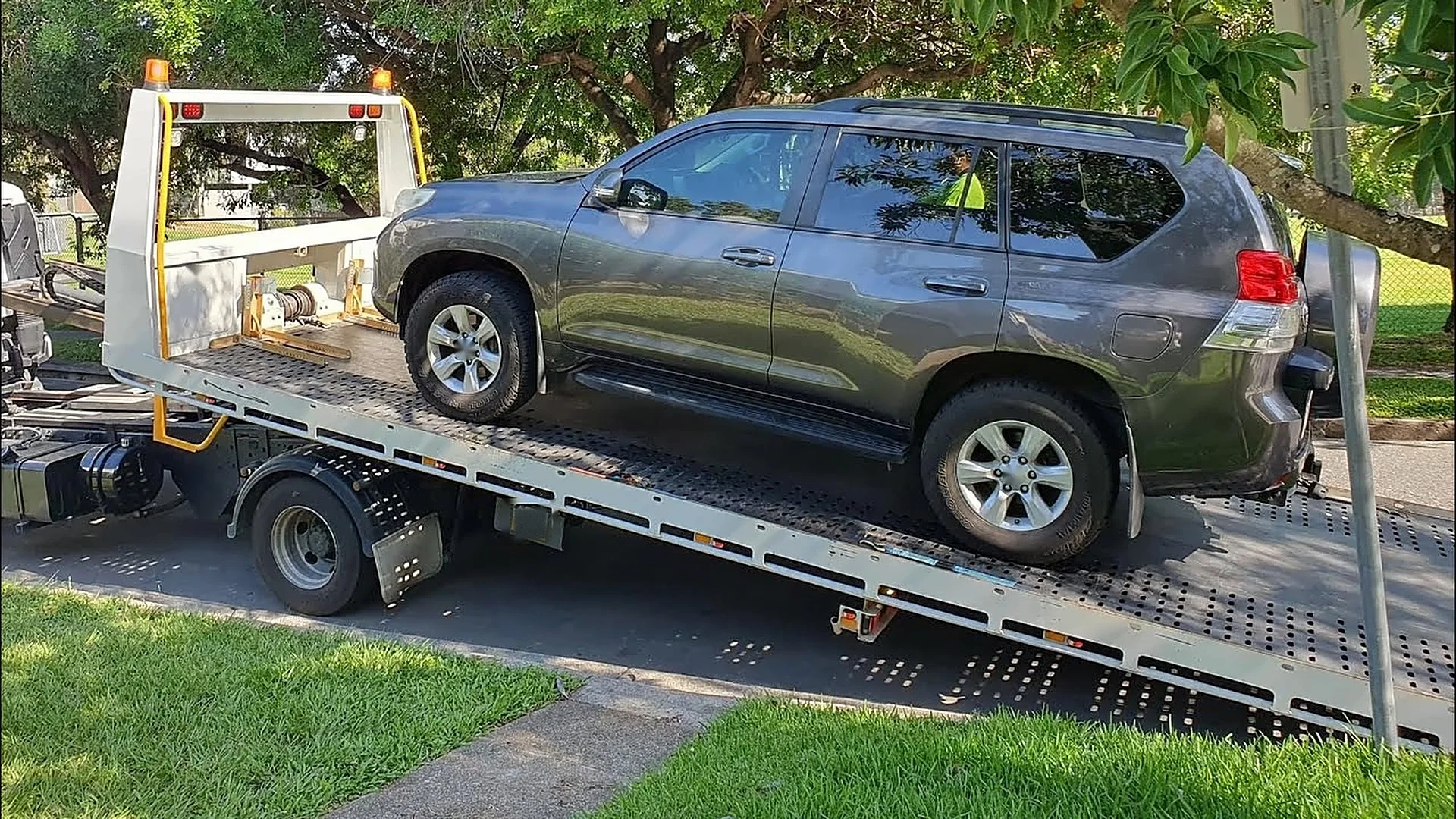
Home vehicle pickup means the buyer or its arranged towing provider collects the vehicle from the location where it is stored. That could be a driveway, residential parking area, or another accessible location agreed upon before the appointment. The seller generally does not need to drive the vehicle to a junkyard or vehicle processing facility. Instead, the pickup is coordinated around the vehicle's condition and the property's access. For example, imagine a Portland homeowner has an older sedan that stopped running several months ago. The vehicle is parked in the driveway, and repairing it would cost more than the owner wants to spend. A home pickup arrangement allows the owner to request an offer and, if accepted, schedule collection without getting the sedan running again. This is similar to the process explained in how selling a junk car helps you clear space quickly.
Which Vehicles May Qualify for Home Pickup?
A vehicle does not necessarily need to be in working condition to be considered for purchase. Junk car buyers commonly evaluate vehicles based on their condition, age, parts, and potential resale or recycling value.
Vehicles that may be considered include:
Non-running cars: Vehicles that will not start or have major mechanical problems.
Accident-damaged vehicles: Cars with collision damage, broken body panels, or other significant damage.
Wrecked vehicles: Cars that have been declared a total loss or are too damaged to be driven safely.
Old and unwanted vehicles: Cars that owners no longer need or want to maintain.
Vehicles with missing parts: Cars that are incomplete or have components removed.
Unwanted trucks, vans, and SUVs: Larger passenger and utility vehicles that owners want removed.
Acceptance is not automatic. A buyer may need details about the vehicle's condition, ownership documents, and location before confirming an offer and pickup. You can review what types of vehicles Cash For Junk Cars NW buys for additional information.
How Does Home Pickup for a Junk Car Work?
The process is usually straightforward, but confirming the important details before the tow truck arrives can prevent avoidable problems. Here is how a typical home pickup arrangement works.
Step 1: Provide Information About Your Vehicle
Start by contacting the buyer and describing the vehicle you want to sell. Accurate information helps the buyer understand what it is evaluating and whether the vehicle is suitable for pickup.
Be prepared to share:
Vehicle year, make, and model
General mileage, if known
Whether the vehicle starts and runs
Whether it can move under its own power
Any accident damage or major mechanical problems
Missing parts or major modifications
Whether you have the title or other ownership documents
Your pickup location
You do not need to know every technical detail. However, describing the vehicle honestly is important. If the engine is seized, the transmission is damaged, or the car has been sitting outside for years, mention it. A clear description helps reduce misunderstandings when the vehicle is inspected or collected. For more preparation advice, see what to bring when selling your junk car.
Step 2: Request and Review a Cash Offer
After receiving the vehicle information, the buyer can assess whether it is interested and discuss a potential cash offer. The value of a junk car is influenced by several factors, including:
Year, make, and model
Vehicle weight and material composition
Demand for usable replacement parts
Engine, transmission, and other component condition
Accident damage, rust, or corrosion
Missing components
Local market conditions
Two vehicles of the same model year may receive different offers if one has a working engine and the other has extensive damage. Ask whether the quoted amount is the expected payment at pickup and whether any conditions could change it. If the vehicle's condition is significantly different from the description, the buyer may need to reassess the offer. You can learn more about the factors that influence junk car valuation.
Step 3: Confirm the Pickup Location and Access
Once you are comfortable with the offer, discuss where the vehicle is parked and how the towing vehicle will reach it. A typical residential driveway may be easy to access. However, a car parked behind another vehicle, inside a narrow garage, or in a shared parking area may require additional planning.
Tell the buyer about anything that could affect removal, such as:
A narrow driveway or steep slope
A locked gate or restricted entrance
Low overhead clearance
Limited room for a tow truck to turn
Another vehicle blocking access
A vehicle parked in an underground or shared garage
Do not assume the driver will be able to remove a car from every location using standard towing equipment. Confirm the arrangements in advance.
Step 4: Prepare the Vehicle for Collection
Before the scheduled pickup, remove your personal belongings and make sure the vehicle is ready to be handed over. Check the glove compartment, center console, trunk, door pockets, and storage areas. Look beneath seats and inside any removable compartments.
You should also:
Remove personal documents and identification.
Take out toll tags, parking permits, and personal accessories.
Remove your license plates if required under applicable Oregon procedures.
Gather the title or other requested ownership paperwork.
Collect all vehicle keys, if available.
Make sure the towing driver can access the vehicle.
If the car has been sitting unused for a long time, check carefully for belongings you may have forgotten.
Step 5: Complete the Handover and Receive Payment
When the tow truck arrives, the driver may confirm the vehicle's identity, condition, and pickup details. Have the agreed paperwork ready and ask any remaining questions before signing. Confirm the payment amount and method before releasing the vehicle. Cash For Junk Cars NW states that payment is made when the vehicle is picked up. Make sure the final payment arrangement matches what was discussed when accepting the offer. You can also read how Cash For Junk Cars NW pays cash on the spot. Once the transaction and handover are complete, keep any receipt or written record provided.
Where Can a Junk Car Be Picked Up From Your Property?
A home pickup does not always mean the vehicle must be parked directly in front of the house. The important factors are whether the location is accessible and whether the towing equipment can safely reach the vehicle.
Driveways and Residential Parking Areas
A driveway is often a convenient pickup location because the vehicle is close to the road and may provide enough space for towing equipment. If the vehicle is parked behind another car, move the other vehicle if possible. This can save time and make loading easier. For shared residential parking, confirm that the towing provider has permission to enter and remove the vehicle.
Garages and Enclosed Parking Spaces
A vehicle inside a garage may require more planning than one parked outdoors. Low ceilings, narrow entrances, tight turns, and limited clearance can affect which towing equipment can be used. A car that cannot move may be especially difficult to remove from a confined space. Tell the buyer if the vehicle is inside a garage. Do not attempt to push or move a heavy vehicle yourself simply to make it easier to collect.
Apartment Complexes and Shared Parking Lots
Apartment residents may need to coordinate with property management before arranging vehicle removal. Some properties have rules about commercial vehicles, towing access, parking permits, or scheduled service visits. A vehicle parked in a shared lot may also need to be moved to an approved loading area.
Before scheduling pickup, check:
Whether the parking space is assigned or shared
Whether management approval is required
Whether a gate code or access card is needed
Whether the tow truck has enough clearance
Whether the vehicle is parked legally and can be released by its owner
These small checks can prevent a driver from arriving only to discover that the vehicle cannot be accessed.
Vehicles Parked on the Street
A junk car parked on a public street may present additional considerations. The owner should confirm that the vehicle is legally parked and that the towing arrangement complies with local rules. A car that is blocking traffic, creating a safety hazard, or subject to an official tow order may require a different process. Tell the buyer exactly where the vehicle is located and whether it can be accessed safely.
Does Your Car Need to Run for Home Pickup?
No. A junk car generally does not have to be operational to qualify for a removal service. This is one of the main reasons home pickup is useful. Owners can sell vehicles that would otherwise require a separate tow just to reach a buyer.
Non-Running Vehicles
A non-running vehicle may have a dead battery, engine failure, transmission problems, fuel system issues, or electrical faults. The fact that it will not start does not automatically make it unsuitable for purchase. However, the buyer needs to know whether the vehicle can roll, steer, and brake. A car that starts but cannot move safely is different from one that does not start but rolls freely. Read more about what to expect when selling a non-running car.
Wrecked or Accident-Damaged Vehicles
A vehicle involved in an accident may have damaged wheels, suspension components, steering, or bodywork. These problems can affect how the car is loaded. If the wheels are missing or the vehicle cannot roll, specialized equipment may be necessary. Describe visible damage accurately and mention whether airbags have deployed, wheels are damaged, or parts are missing. For more information, see how to sell a wrecked car without repairing it first.
Vehicles With Missing Keys
A missing key does not always prevent a vehicle from being purchased, but it can complicate removal. The steering may be locked, the transmission may not shift into neutral, or the vehicle may have an electronic immobilizer. Explain the situation before pickup so the buyer can determine what equipment or arrangements are appropriate.
What Can Affect the Timing of Home Pickup?
Pickup timing depends on more than the distance between the buyer and your home. Vehicle condition, scheduling, location, access, and towing requirements can all influence the appointment.
Vehicle Condition and Loading Requirements
A car that rolls and steers may be easier to load than one with locked wheels or severe collision damage. If the vehicle is stuck in mud, surrounded by debris, or positioned in a confined space, the removal process may require additional equipment or preparation.
Property Access and Parking Restrictions
A narrow driveway, gated community, apartment complex, or underground garage can affect scheduling. The more accurately you describe the location, the easier it is to determine whether the planned pickup method is suitable.
Appointment Availability
Pickup depends on the buyer's scheduling and the availability of suitable towing equipment. Do not assume that requesting an offer automatically guarantees immediate collection. Ask for a confirmed pickup window and find out whom to contact if your plans change. For more information about timing, see how fast you can sell a junk car in Portland.
Is Free Junk Car Pickup Really Free?
Free towing means the seller does not pay a separate towing charge for an eligible vehicle pickup under the buyer's stated terms. This can make a meaningful difference when selling a car that cannot be driven. Arranging a private tow independently may create an additional expense, particularly if the vehicle requires special loading equipment.
Still, it is sensible to confirm the details before accepting an offer.
Ask the buyer:
Is towing included in the quoted offer?
Are there additional charges for difficult access?
Does the offer depend on the vehicle matching its description?
Is the payment amount confirmed before pickup?
Are there any circumstances that could affect the final amount?
A clear conversation helps ensure that both parties understand the arrangement. You can also review how free towing saves you money when selling a car.
What Documents Do You Need to Sell a Junk Car in Oregon?
Vehicle ownership documentation is an important part of a legitimate vehicle sale. In Oregon, the paperwork required can depend on the vehicle's ownership status and the circumstances of the transfer.
Vehicle Title and Ownership
A vehicle title generally establishes legal ownership. If you have the title, check that the information is accurate and that you understand what needs to be completed when transferring the vehicle. Do not sign a blank title or hand over ownership documents without understanding the transaction. If there is a lien on the vehicle, the situation may require additional documentation or approval from the lienholder.
What If You Have Lost the Title?
Losing a title does not mean you should automatically abandon the idea of selling your vehicle. However, the sale cannot simply proceed on the assumption that the title is unnecessary. Oregon has procedures for obtaining replacement title documents and handling certain ownership situations. Contact the Oregon Driver and Motor Vehicle Services Division (DMV) or review its official guidance to determine which documents apply. You can also ask the buyer what paperwork it can accept before scheduling pickup. Cash For Junk Cars NW indicates that it may be able to help in certain missing-title situations, depending on the circumstances. Confirm eligibility and documentation requirements directly. You can read more about selling a car without a title and what you need to know.
License Plates and Seller Responsibilities
Before handing over a vehicle, check Oregon's current requirements for license plates, title transfer, and notice of sale. Do not assume that the buyer's pickup automatically completes every responsibility you have as the seller. Keep a record of the transaction and follow the applicable DMV instructions.
How to Prepare Your Property for a Smooth Pickup
A little preparation can make vehicle removal safer and more efficient.
Clear the Area Around the Vehicle
Remove loose objects, garden equipment, trash bins, and other obstacles from the driveway or parking area. If another vehicle is blocking the junk car, move it if possible. Make sure the tow truck has enough room to approach and load the vehicle.
Keep Children and Pets Away
Towing and loading involve heavy equipment, moving vehicles, and limited visibility. Keep children and pets indoors or away from the pickup area until the job is complete. Avoid standing close to the vehicle while it is being loaded.
Tell the Driver About Known Problems
Mention any issues that could affect loading, including:
Flat or missing tires
Locked wheels
Damaged suspension
Steering problems
Vehicle stuck in mud or soft ground
Missing keys
Low garage clearance
Providing this information in advance helps avoid unexpected complications.
Remove Personal Property
Once the vehicle is collected, recovering forgotten belongings may be difficult. Take time to inspect every storage area before the driver arrives. If you have personal license plates, parking permits, or toll devices attached to the vehicle, check whether they need to be removed.
Common Misconceptions About Junk Car Home Pickup
A few misunderstandings can make the selling process more confusing than it needs to be.
"The Car Must Start Before It Can Be Picked Up"
Not necessarily. Junk car buyers often consider vehicles that do not run. The key question is whether the vehicle can be loaded safely with the available equipment.
"Free Towing Means Every Vehicle Can Be Removed From Any Location"
Free towing does not automatically mean every removal situation is covered. A vehicle trapped in a narrow garage, buried in mud, or missing several wheels may require special arrangements. Always explain the location and condition before confirming the appointment.
"I Do Not Need to Worry About Paperwork if the Buyer Collects the Car"
The seller still needs to understand the ownership transfer and applicable state requirements. Keep the necessary documents and a record of the transaction.
"A Damaged Car Has No Value"
A vehicle that is no longer roadworthy may still have value through reusable components or recyclable materials. Its condition, parts, weight, and market demand all influence what a buyer may offer.
"The First Quote Cannot Change"
An offer is generally based on the information supplied by the seller. If the vehicle's actual condition differs significantly from the description, the buyer may need to review the amount. Describe the vehicle honestly and clarify the conditions attached to the offer before agreeing to pickup.
Conclusion
Yes, Cash For Junk Cars NW can arrange pickup from a customer's home in the Portland, Oregon, service area. Its vehicle buying service covers unwanted, damaged, wrecked, and non-running vehicles, with free towing and payment when the vehicle is collected. The process begins with providing accurate vehicle information and reviewing an offer. After agreeing on the arrangements, the seller confirms the pickup location, prepares the vehicle and property, and gathers the required ownership paperwork. A car does not necessarily need to start or be roadworthy to qualify. However, its condition, accessibility, documentation, and loading requirements can affect the pickup arrangements. If you have an unwanted vehicle taking up space at home, the most useful first step is to describe its condition and location honestly. Confirm the towing terms, payment details, and paperwork requirements before scheduling collection. A little preparation can help make the sale clearer, safer, and easier for everyone involved.
Frequently Asked Questions
1. Can a junk car buyer pick up a car from my driveway?
Yes. Many junk car buyers offer driveway pickup, provided the vehicle is accessible and the buyer accepts it. Share the vehicle's condition and location before scheduling collection.
2. Can I sell a car that does not start?
Yes. A non-running car may still qualify for a junk car purchase. Tell the buyer whether the vehicle rolls, steers, has working wheels, and has any major mechanical damage.
3. Do I have to pay for junk car towing?
Some junk car buyers include towing at no additional cost for qualifying pickups. Confirm that towing is included in the quoted arrangement and ask whether difficult access or special equipment could affect the terms.
4. Can a junk car be picked up from an apartment complex?
Often, yes, but access rules may apply. Check with property management about towing vehicles, gate access, parking restrictions, and any required permission before confirming the appointment.
5. Can I sell a junk car without a title in Oregon?
A missing title can complicate a vehicle sale, but there may be ways to resolve certain ownership-document issues. Check Oregon DMV requirements and confirm with the buyer which documents are acceptable for your situation.
6. Does a junk car need to have all four wheels for pickup?
Not necessarily, but missing wheels can make loading more complicated. Tell the buyer about missing or damaged wheels in advance so the appropriate towing equipment can be arranged.
7. How should I prepare my car before junk car pickup?
Remove personal belongings, gather ownership documents, clear access around the vehicle, and disclose any mechanical or physical problems. Also confirm the pickup time and payment arrangements before the driver arrives.
8. Can a junk car be picked up from a garage?
It may be possible, depending on the garage's dimensions, entrance clearance, vehicle condition, and available towing equipment. Explain the parking arrangement before scheduling removal.
9. Do I receive payment before or after my junk car is picked up?
Payment arrangements vary by buyer. Confirm the amount and payment method before the appointment. Cash For Junk Cars NW states that it pays customers when the vehicle is picked up.
10. What happens to my car after a junk car buyer collects it?
Depending on its condition, a collected vehicle may be evaluated for reusable parts, resale, or material recycling. Components that remain useful may be recovered, while materials that cannot be reused may enter appropriate recycling or disposal processes. For more detail, see what happens to your junk car after it gets picked up in Portland.
