How Weather Damage Affects Junk Car Prices in Oregon
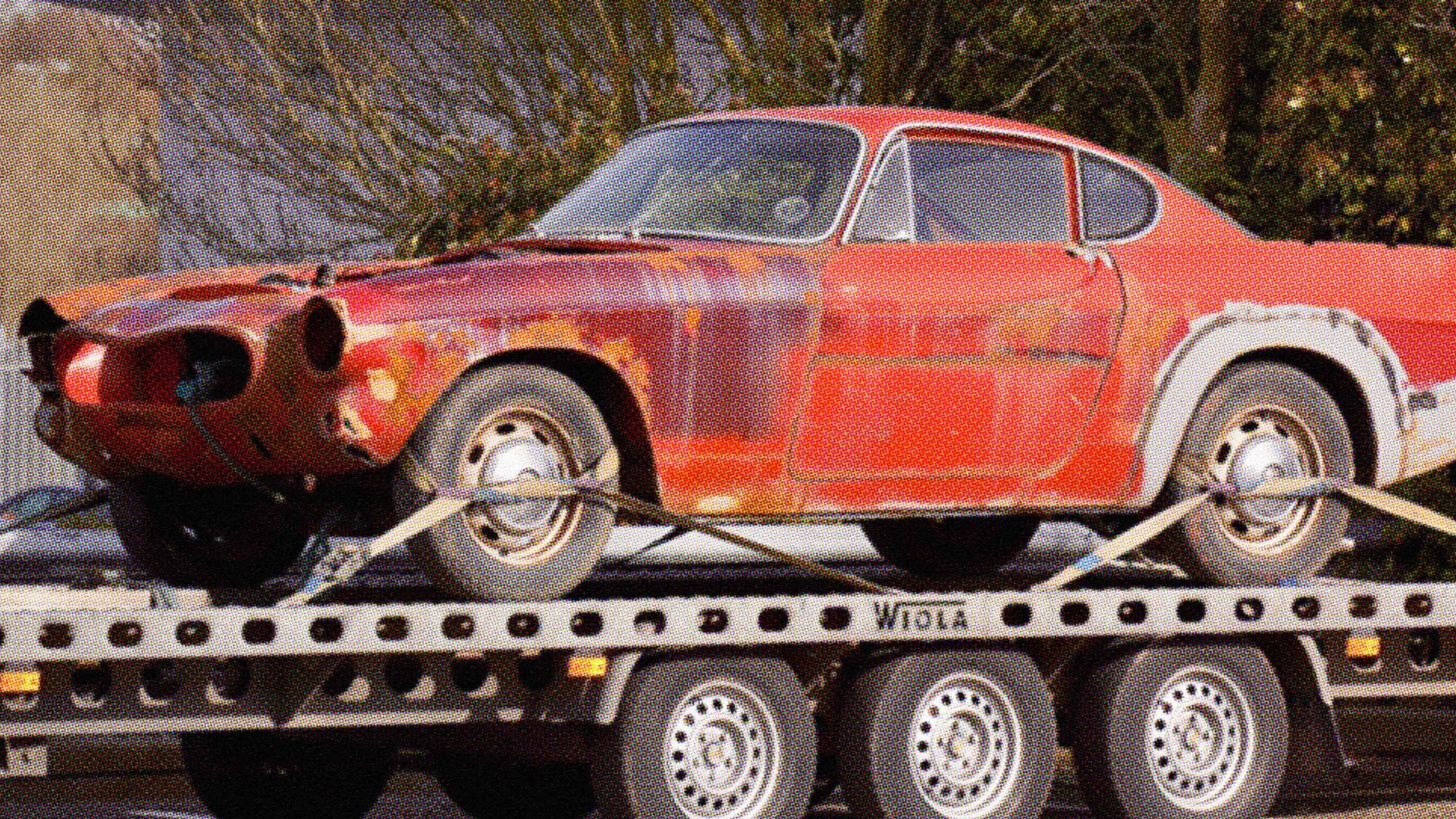
Oregon's diverse climate is one of the many reasons people enjoy living in the Pacific Northwest. From Portland's rainy seasons to colder winter temperatures in other parts of the state, the weather creates beautiful landscapes—but it can also take a serious toll on vehicles.
If you own an old, damaged, or non-running car, you may wonder whether years of exposure to Oregon's weather affect its value when it's time to sell. The answer is yes, weather damage can influence how much a junk car is worth. However, the impact depends on the type of damage, the vehicle's condition, and current demand for recyclable materials and reusable parts.
The good news is that even vehicles affected by rain, rust, flooding, or long-term outdoor storage often retain value. Many junk car buyers in Portland and throughout Oregon purchase vehicles in virtually any condition because they can still recover valuable parts and recyclable materials.
This guide explains how Oregon's weather affects junk car prices, what buyers look for, and when selling sooner may help you maximize your vehicle's value.
Why Oregon's Climate Matters for Older Vehicles
Oregon's climate varies by region, but much of the state experiences:
Frequent rainfall
High humidity
Damp winters
Occasional snow and ice
Seasonal temperature fluctuations
While modern vehicles are built to withstand normal weather conditions, years of exposure can gradually accelerate wear and deterioration. For vehicles that are already aging or no longer in regular use, weather-related damage often becomes more noticeable over time.
How Rain Contributes to Vehicle Deterioration
Rain is one of the biggest environmental factors affecting vehicles in western Oregon. Although occasional rain is not harmful by itself, continuous exposure can eventually contribute to:
Surface rust
Corrosion underneath the vehicle
Water intrusion
Deteriorating weather seals
Electrical problems
Cars that remain parked outdoors for months or years are generally more susceptible to these issues.
Rust Is One of the Biggest Factors Affecting Junk Car Value
Rust is common in older vehicles, especially those exposed to moisture for extended periods.
Surface Rust
Surface rust typically appears on:
Doors
Hood
Roof
Fenders
This type of corrosion is mostly cosmetic and usually has only a limited effect on junk car pricing.
Structural Rust
Structural rust is far more serious. It may affect:
Vehicle frame
Suspension mounting points
Brake lines
Floor pans
Undercarriage
When corrosion damages structural components, fewer parts may be reusable, which can reduce a vehicle's overall value.
Moisture Can Damage Electrical Systems
Modern vehicles rely heavily on electronic systems. Years of moisture exposure can affect:
Wiring
Sensors
Connectors
Control modules
Lighting systems
Electrical problems often become more common when vehicles remain unused outdoors for extended periods. Although many junk car buyers still purchase vehicles with electrical issues, damaged electronics may reduce the number of reusable components.
Water Leaks Can Damage the Interior
A small leak around a window or windshield may not seem significant initially. However, over time it can lead to:
Mold
Mildew
Carpet damage
Upholstery deterioration
Interior odors
Interior damage generally has less impact on scrap value than mechanical or structural issues, but it can reduce the resale value of reusable interior components.
Flood Damage and Its Effect on Junk Car Prices
Flood damage is more severe than ordinary rain exposure. Water entering critical vehicle systems may damage:
Engine components
Transmission
Electrical systems
Airbags
Interior electronics
Flood-damaged vehicles often require extensive repairs, making them impractical to restore. However, you still have excellent disposal options because they retain value for:
Scrap metal
Certain reusable parts
Aluminum components
Steel recycling
Snow and Ice Can Accelerate Corrosion
Although western Oregon generally experiences milder winters than many northern states, snow and ice still occur in some areas. Cold temperatures combined with moisture can contribute to:
Metal expansion and contraction
Accelerated corrosion
Seal deterioration
Brake component wear
Vehicles stored outdoors throughout multiple winters often show more extensive aging than garage-kept vehicles.
Sun Exposure Also Causes Damage
Rain receives most of the attention, but sunlight can also affect older vehicles. Long-term UV exposure may cause:
Paint fading
Clear coat failure
Dashboard cracking
Plastic trim deterioration
Rubber seal damage
While cosmetic fading rarely determines junk car value on its own, it often accompanies broader age-related deterioration.
Long-Term Outdoor Storage Lowers Vehicle Condition
Many junk vehicles remain parked outside after they stop running. Over several years, they may develop:
Rust
Flat tires
Dead batteries
Rodent damage
Tree debris accumulation
Mold
Corroded wiring
The longer a vehicle sits outdoors, the more likely weather will reduce the number of recoverable parts. If you are wondering can you sell a junk car that has been sitting for years, the answer is yes, but taking action before another season passes is highly recommended.
How Weather Damage Affects Different Vehicle Components
Engine
Moisture may lead to:
Rust inside cylinders
Seized components
Contaminated fluids
Transmission
Long-term inactivity can contribute to:
Seal deterioration
Fluid breakdown
Internal corrosion
Suspension
Water exposure can accelerate wear on:
Springs
Control arms
Bushings
Fasteners
Exhaust System
Moisture commonly causes:
Rusted mufflers
Corroded pipes
Exhaust leaks
Brake System
Brake components may develop:
Rusted rotors
Frozen calipers
Corroded brake lines
Does Weather Damage Make a Junk Car Worthless?
Absolutely not. Many owners assume weather-damaged vehicles have no value. In reality, buyers continue purchasing vehicles with:
Rust
Water damage
Mechanical failure
Cosmetic deterioration
Long-term storage damage
Even when repairs no longer make financial sense, recyclable materials and salvageable parts often remain valuable.
What Parts Still Hold Value Despite Weather Damage?
Depending on the vehicle's condition, buyers may recover:
Aluminum wheels
Engines
Transmissions
Alternators
Starters
Radiators
Body panels
Steel
Copper wiring
The overall condition of these components influences the final offer.
Can Selling Sooner Help Preserve Value?
In many situations, yes. Weather damage generally becomes worse over time. Selling before additional deterioration occurs may help preserve:
Reusable parts
Structural integrity
Metal condition
Overall vehicle value
Waiting several additional years rarely increases a junk vehicle's worth.
Tips for Oregon Vehicle Owners Before Selling
Although extensive repairs are usually unnecessary, a few simple steps may help streamline the selling process.
Keep the Vehicle Intact
Avoid removing valuable components before requesting a quote. If your vehicle is incomplete, you can learn more about how we handle cars with missing parts to set accurate expectations.
Gather Ownership Documents
Having your title and identification ready can make the transaction easier and help you avoid common paperwork mistakes.
Describe Weather Damage Honestly
Accurate descriptions help buyers provide realistic quotes and reduce surprises during pickup.
Don't Wait Too Long
If you know you no longer plan to repair the vehicle, selling before additional weather exposure may help maximize its remaining value. Reviewing these top tips before selling your junk or unwanted vehicle will help ensure a seamless experience.
Common Myths About Weather-Damaged Junk Cars
Myth: Rust Means a Car Has No Value
Reality: Even rusted vehicles often contain valuable recyclable materials and reusable parts.
Myth: Flood-Damaged Cars Cannot Be Sold
Reality: Many junk car buyers purchase flood-damaged vehicles for recycling and salvage.
Myth: Cosmetic Weather Damage Matters Most
Reality: Buyers typically place greater value on structural components, recyclable metals, and salvageable parts than on appearance.
Myth: A Car Left Outside for Years Is Worth Nothing
Reality: Long-term outdoor storage may reduce value, but many such vehicles can still be sold.
Frequently Asked Questions
Does rain reduce the value of a junk car? Long-term exposure to moisture can contribute to rust and corrosion, which may reduce the value of certain reusable components.
Is rust always a major problem? Surface rust usually has a limited impact, while severe structural rust can lower overall vehicle value by compromising the undercarriage.
Can I sell a flood-damaged vehicle? Yes. Many junk car buyers purchase flood-damaged vehicles regardless of their running condition.
Does Oregon's weather affect older cars more? Generally, yes. Older vehicles often have more wear, making them more vulnerable to weather-related deterioration.
Should I repair weather damage before selling? In most cases, expensive repairs are unnecessary. Junk car buyers typically purchase vehicles in as-is condition.
Does storing a vehicle outside lower its value? Extended outdoor storage can accelerate deterioration and may reduce the number of reusable parts.
Will buyers purchase cars with mold or water damage? Yes. Interior damage usually does not prevent a vehicle from being sold as a junk car.
Is it better to sell before another winter? Often yes. Additional exposure to moisture and freezing temperatures can contribute to further deterioration.
Conclusion
Oregon's weather can have a significant impact on the condition of older vehicles over time. Rain, humidity, rust, water intrusion, and long-term outdoor storage all contribute to gradual deterioration that may affect a junk car's value.
However, weather damage does not mean your vehicle has no worth. Many junk cars still contain valuable metals, reusable parts, and recyclable materials that make them attractive to professional buyers.
If your vehicle has been sitting outside for months or years, selling it before additional weather damage occurs may help preserve more of its remaining value while freeing up space and eliminating ongoing maintenance concerns.
Ready to Sell Your Weather-Damaged Vehicle?
Whether your car has been affected by years of Oregon rain, rust, flood damage, or long-term outdoor storage, Cash For Junk Cars NW purchases vehicles in a wide range of conditions. If you're ready to turn your unwanted vehicle into cash, visit our About page to see who we are, explore our Services, or use our Contact Us page to schedule your vehicle pickup.
Selling sooner rather than later can help you avoid further weather-related deterioration while making it easier to move on from an unwanted vehicle.