What Factors Lower the Value of a Junk Car Before Sale?
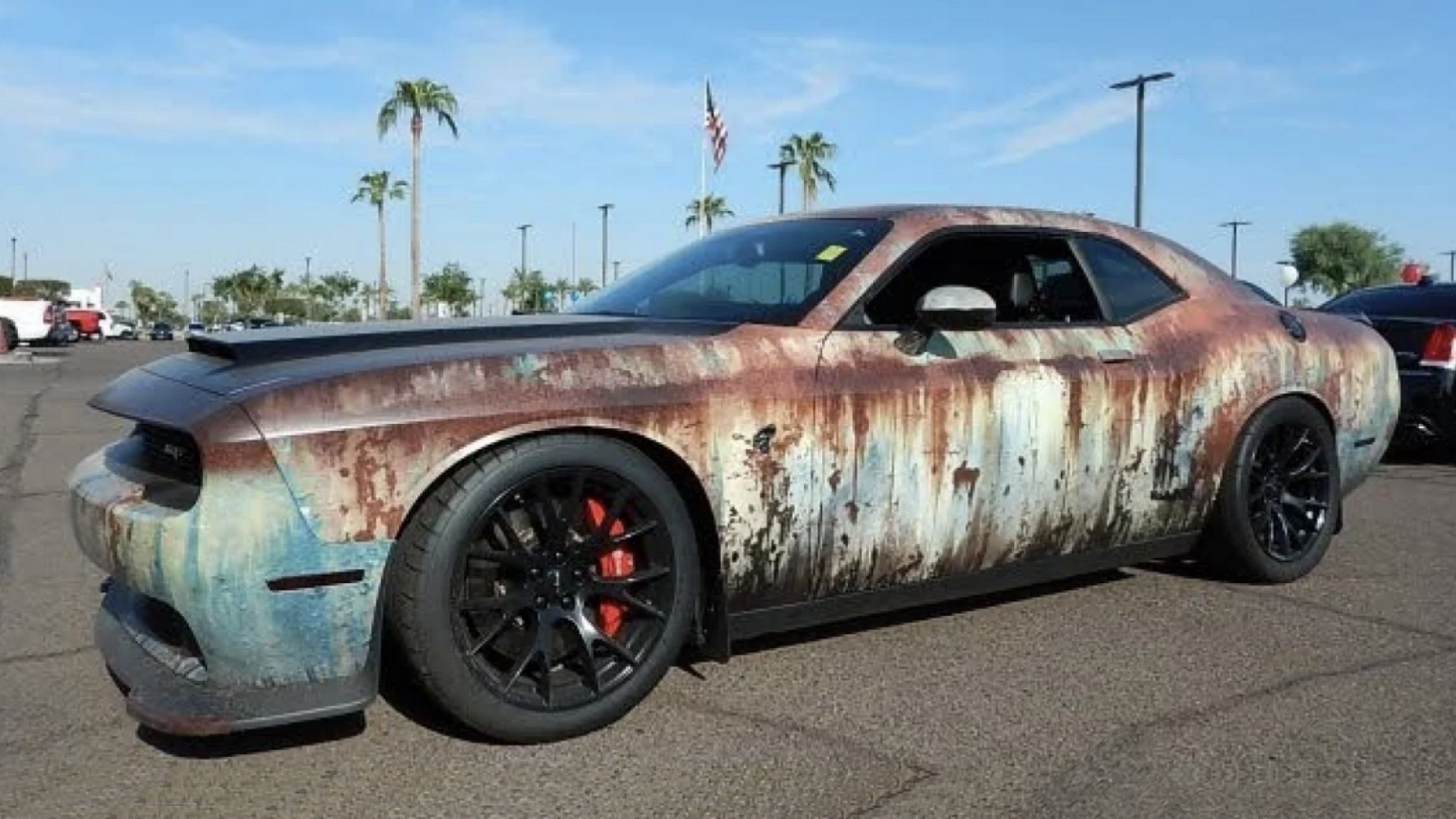
If you're planning to sell an old, damaged, or non-running vehicle, you may be wondering why two seemingly similar junk cars can receive very different offers. While every junk car still has value, several factors can significantly reduce what buyers are willing to pay.
From missing parts and extensive rust to delayed sales and changing scrap metal prices, understanding what affects your vehicle's value can help you set realistic expectations and avoid losing money unnecessarily.
For Portland-area vehicle owners, knowing these factors is especially helpful before requesting a quote from a local junk car buyer. Even if your car no longer runs, taking action before its condition worsens can often help preserve more of its remaining value.
This guide explains the most common factors that lower the value of a junk car before sale and offers practical advice on when it makes sense to sell.
How Junk Car Buyers Determine Vehicle Value
Unlike traditional used car sales, junk car buyers typically evaluate vehicles based on several key criteria rather than appearance alone.
A typical offer may be influenced by:
Vehicle weight
Scrap metal value
Reusable auto parts
Make and model
Vehicle age
Overall condition
Current market demand
Towing requirements
Because each vehicle is different, offers can vary even between cars of the same model and year. To understand how these numbers are calculated, check out our complete guide to junk car valuation in 2026.
Factor #1: Missing Valuable Parts
One of the fastest ways to reduce a junk car's value is removing important components before selling it. When reviewing how we handle cars with missing parts, it becomes clear that completeness is key to securing top dollar.
Common Parts That Add Value
Vehicles are often worth more when they still include:
Engine
Transmission
Catalytic converter
Alternator
Starter
Wheels
Aluminum rims
Battery
Radiator
Electronic control modules
If these parts have already been removed or sold separately, the buyer has fewer opportunities to recover value from the vehicle.
For example, a car missing its catalytic converter value or engine may receive a lower offer than an otherwise identical vehicle with all major components intact.
Factor #2: Extensive Rust and Corrosion
Portland's rainy climate can accelerate rust development, particularly on older vehicles.
Surface Rust vs. Structural Rust
Surface rust is common and usually has a limited impact on value. Structural rust, however, can affect:
Vehicle frame
Suspension mounting points
Brake lines
Floor panels
Undercarriage
Severe corrosion may reduce the number of salvageable parts and lower the vehicle's overall recycling value.
Factor #3: Severe Collision Damage
Accident damage doesn't automatically make a junk car worthless, but extensive structural damage can reduce its value. Knowing the difference between accident cars vs. total loss vehicles helps set proper payout expectations.
Examples of value-lowering damage include:
Bent frame
Crushed roof
Heavy front-end damage
Rear structural damage
Fire damage
When multiple systems are affected, fewer components can be reused or resold. If your vehicle has experienced major impact, you can learn more about your options in our quick guide to selling a wrecked car for cash in portland.
Factor #4: Selling After Years of Storage
Many owners leave damaged vehicles sitting for months or years before deciding to sell. Unfortunately, vehicles continue deteriorating while parked.
If you are wondering, "can you sell a junk car that has been sitting for years?"—the answer is yes, but long-term storage may lead to issues like:
Rust
Rodent damage
Mold
Tire deterioration
Interior damage
Fluid contamination
Electrical issues
The longer a vehicle sits unused, the greater the chance its value will decline.
Factor #5: Scrap Metal Market Conditions
Junk car values are closely connected to scrap metal prices. Vehicles contain significant amounts of:
Steel
Aluminum
Copper
When metal prices increase, buyers can often pay more. When prices decline, offers may decrease as well. Because scrap markets fluctuate, two identical vehicles sold months apart may receive different offers. To find out more about these shifts, read about how scrap metal prices influence your junk car cash offer.
Factor #6: Low Demand for Certain Models
Some vehicles simply have less demand than others. Understanding the current scrap car demand in portland and nearby areas can shed light on why certain offers are higher than others.
Factors that lower demand include:
Limited replacement parts demand
Low resale popularity
Older discontinued models
Rare vehicles with limited aftermarket support
Vehicles with commonly requested parts often generate stronger offers.
Factor #7: Water or Flood Damage
Flood damage can severely compromise a vehicle's core components, including:
Electrical systems
Interior materials
Wiring
Engine components
Sensors
While many flood-damaged vehicles still retain scrap value, extensive water damage reduces the number of reusable components. To explore your options for water-logged vehicles, check out our guide on what to do with flood damaged cars.
Factor #8: Engine and Transmission Removal
Even if a vehicle no longer runs, having its original engine and transmission still installed may increase its value. If you are selling a non-running car, leaving these components in place ensures you receive a better price. Removing these major components before selling can significantly reduce what buyers are willing to pay.
Factor #9: Tire and Wheel Condition
Although tires themselves may have limited value, complete wheels can contribute to an offer. Vehicles with:
Aluminum wheels
Factory rims
Matching wheel sets
may receive higher offers than vehicles sitting on damaged or missing wheels.
Factor #10: Delaying the Sale
Waiting too long to sell often reduces value. Finding the best time to sell a junk car for maximum cash value prevents the common pitfalls of procrastination.
During extended storage, a vehicle may experience:
Increased rust
Weather damage
Parts theft
Interior deterioration
Pest infestations
Selling sooner can help preserve more of the vehicle's remaining worth.
Factor #11: Incomplete Ownership Documentation
Most buyers require proof that you legally own the vehicle. Missing documentation may:
Delay the transaction
Require additional verification
Limit purchasing options
If your paperwork is missing, make sure to read about selling a car without a title to learn the precise steps required in Oregon. You can also review common paperwork mistakes to avoid when selling a junk car in oregon to ensure a seamless drop-off or pickup.
Factor #12: Difficult Vehicle Access
Location can influence removal costs. Examples include:
Vehicles trapped in garages
Cars buried behind other vehicles
Underground parking structures
Remote rural locations
More complicated recoveries may increase towing expenses or require specialized equipment.
What Does Not Usually Lower a Junk Car's Value?
Some owners worry about issues that often have little impact on a junk vehicle's value. These include:
Cosmetic Scratches: Minor dents and scratches are expected.
Dirty Interior: Professional buyers purchase vehicles regardless of cleanliness.
Dead Battery: A dead battery is common on older or non-running vehicles.
Flat Tires: Most junk car buyers have equipment to load vehicles with flat tires.
Expired Registration: Registration status is generally less important than proof of ownership.
Can You Increase Your Junk Car's Value?
While major repairs usually aren't worthwhile, a few simple steps can serve as simple tips to increase the cash offer on your junk car:
Keep Major Components Intact: Avoid removing valuable parts before requesting quotes.
Gather Documentation: Knowing what to bring when selling your junk car streamlines the entire process.
Describe the Vehicle Honestly: Providing accurate information helps buyers make reliable offers and reduces the chance of price adjustments at pickup.
Compare Local Buyers: Obtaining multiple quotes allows you to evaluate available offers and choose providers known for what makes our cash offers competitive in portland.
Sell Before Condition Gets Worse: Recognizing the signs its time to sell your unwanted vehicle instead of repairing it will maximize your final payout.
Why Local Market Conditions Matter in Portland
Portland has an active vehicle recycling industry supported by auto dismantlers, salvage yards, metal recyclers, and used parts suppliers. This creates ongoing demand for many types of junk vehicles.
Beyond making extra cash, there are notable environmental benefits of recycling junk cars the right way within local eco-conscious communities. However, local demand for specific makes, models, and parts will always influence individual offers.
Common Myths About Junk Car Value
Myth: Every Junk Car Is Worth the Same Reality: Condition, parts, and market demand all influence pricing.
Myth: A Non-Running Vehicle Has No Value Reality: Many buyers specialize in purchasing vehicles that no longer run.
Myth: Cosmetic Damage Matters Most Reality: Mechanical components and recyclable materials generally have a greater impact on value.
Myth: Waiting Will Increase My Offer Reality: Most junk vehicles lose value as they continue deteriorating.
Frequently Asked Questions
What lowers the value of a junk car the most?
Missing major components, severe rust, structural damage, and prolonged deterioration are among the biggest factors.
Does removing the catalytic converter reduce value?
Yes. Catalytic converters contain valuable precious metals and often contribute significantly to a vehicle's overall worth.
Should I repair my junk car before selling it?
In many cases, expensive repairs are unnecessary because junk car buyers purchase vehicles in as-is condition.
Does rust reduce junk car value?
Extensive structural rust can reduce both salvage opportunities and scrap metal recycling value.
Can missing wheels lower my offer?
Yes. Missing wheels or major steering/suspension components generally reduce the overall value and complicate towing.
Does weather damage affect pricing?
Long-term exposure to rain, moisture, and sun can accelerate deterioration, rot the interior, and reduce value.
Do junk car prices change over time?
Yes. Scrap metal markets and demand for used parts fluctuate constantly, which directly impacts offers.
Is it better to sell sooner rather than later?
In almost all cases, yes. Selling before further deterioration or parts theft occurs helps preserve maximum value.
Conclusion
Every junk car has value, but that value isn't fixed. Missing parts, severe rust, collision damage, prolonged storage, and changing market conditions can all reduce what buyers are willing to pay.
The good news is that many factors—such as keeping the vehicle intact, preparing your paperwork, and selling before further deterioration—can help you maximize your return without investing in costly repairs. If your vehicle has reached the point where repairs no longer make financial sense, selling sooner rather than later is often the most practical decision.
Ready to Sell Your Junk Car?
If you have an unwanted vehicle in Portland or the surrounding area, Cash For Junk Cars NW makes it easy to receive a quote, schedule pickup, and sell your car without the stress of private listings or expensive repairs. You can review our services or read more about us to learn how we prioritize transparency.
Explore our straightforward 4-step junk car selling process to see how simple it is, or find answers to common questions in the Cash For Junk Cars NW FAQ.
Selling your junk car before its condition worsens could help you get the best possible value while enjoying a fast, hassle-free experience with free towing. Ready to get started? Contact us today!