Is It Worth Repairing an Old Car Before Selling It for Cash?
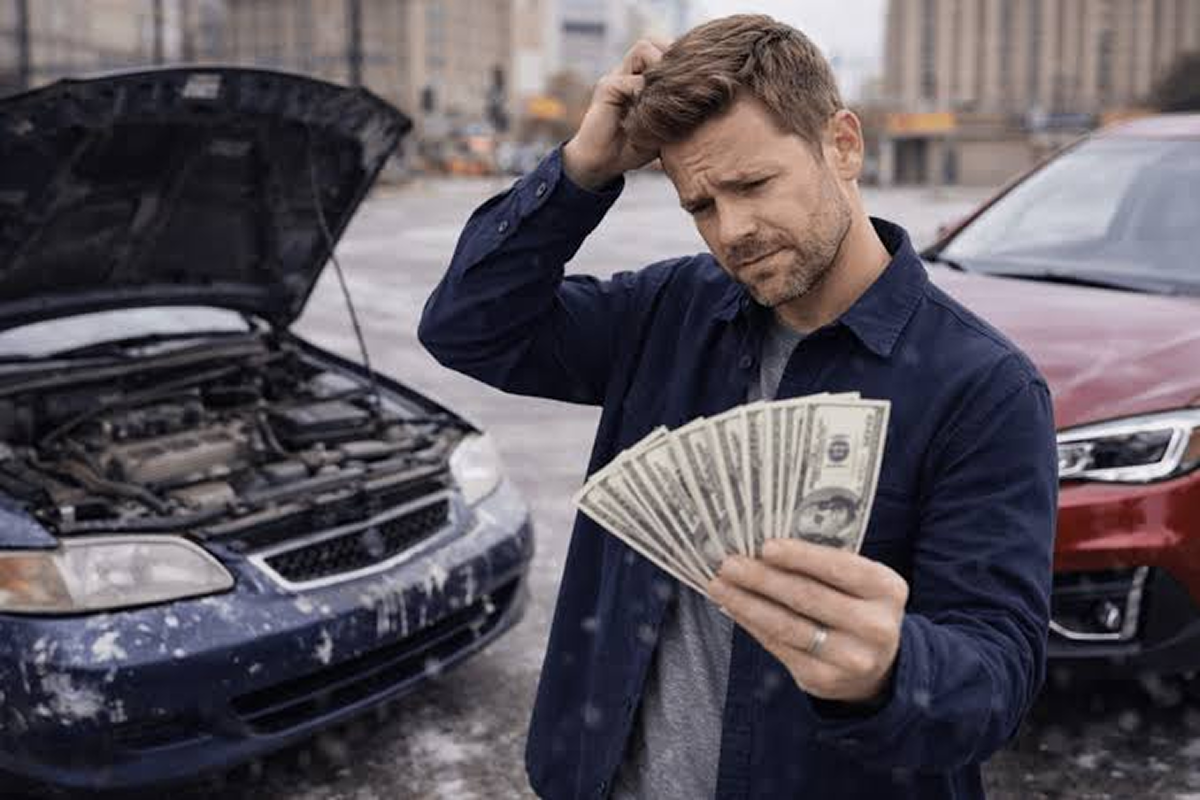
If you have an aging vehicle that's no longer reliable, one question often comes up before selling it: Should you repair it first, or sell it as-is?
The answer depends on the type of repairs needed, the vehicle's overall condition, and its current market value. While minor maintenance may make sense for a privately sold vehicle in some situations, major repairs rarely increase the value of an old or junk car enough to justify the expense.
For many Portland vehicle owners, selling an older car in its current condition is often the more practical and cost-effective choice. Professional cash-for-car buyers regularly purchase vehicles with mechanical problems, collision damage, high mileage, and even non-running cars, eliminating the need to invest additional money before selling.
This guide explains when repairs may make sense, when they usually don't, and how to determine the smartest financial decision for your situation.
Why This Decision Matters
Every repair is an investment. Before spending money on an older vehicle, it's important to ask:
Will the repair significantly increase the vehicle's value?
Will I recover the repair costs when I sell?
Is the vehicle likely to need additional repairs soon?
In many cases, owners spend hundreds or even thousands of dollars on repairs only to discover the vehicle's selling price increases very little. Understanding the relationship between repair costs and resale value can help you avoid unnecessary expenses.
How Cash Buyers Typically Value Older Vehicles
Unlike private buyers, companies that purchase vehicles for cash often evaluate cars based on factors beyond whether they are running. Common considerations include:
Vehicle make and model
Year
Overall condition
Weight
Reusable parts
Scrap metal value
Current market demand
Accessibility for pickup
Because many buyers purchase vehicles specifically for recycling or salvage, expensive repairs often have little effect on the final offer.
When Repairing an Old Car Usually Doesn't Make Financial Sense
There are several situations where investing in repairs is unlikely to provide a worthwhile return.
Major Engine Problems
Engine repairs are among the most expensive automotive repairs. Examples include:
Blown head gasket
Engine replacement
Internal engine damage
Seized engine
These repairs can cost several thousand dollars. For an older vehicle with limited market value, the repair cost may exceed the amount you'll recover from the sale.
Transmission Failure
Transmission repairs are another major expense. Common issues include:
Slipping gears
Transmission rebuilds
Complete replacement
Internal component failure
Like engine repairs, transmission work often costs more than an aging vehicle is worth.
Extensive Rust
Portland's wet climate can contribute to rust over time. While surface rust is usually cosmetic, structural rust affecting the frame, suspension, or undercarriage can require expensive repairs. Most owners will not recover those repair costs when selling an older vehicle.
Collision Damage
Significant accident damage may involve:
Frame straightening
Body panel replacement
Paint work
Suspension repairs
Repairing extensive collision damage before selling is rarely cost-effective for vehicles already nearing the end of their useful life.
Repairs That Rarely Increase Cash Offers
Many owners believe fixing small issues will substantially increase a junk car's value. In reality, repairs such as these often have little impact:
Dead battery replacement
Tire replacement
Cosmetic paint touch-ups
Interior cleaning
Minor dent repairs
Windshield replacement (depending on condition)
Cash buyers generally expect older vehicles to show signs of wear and evaluate them accordingly.
When Minor Repairs Might Be Worth Considering
Although major repairs are usually unnecessary, there are situations where small repairs could be beneficial. Examples include:
Replacing a Simple Component
If a low-cost repair restores basic functionality, it may make sense when the expense is minimal. Examples might include:
Replacing a blown fuse
Installing a new light bulb
Tightening a loose battery connection
However, avoid spending significant money chasing multiple issues.
Gathering Missing Items
If you have removable items such as:
Spare keys
Owner's manual
Factory accessories
including them with the vehicle can help complete the transaction, even if they don't dramatically increase the offer.
The Cost of Waiting Can Be Higher Than the Cost of Selling
Many owners postpone selling because they hope to repair the vehicle later. Unfortunately, waiting often causes additional deterioration. Over time, an unused vehicle may develop:
More rust
Dead battery
Flat tires
Mold
Rodent damage
Fluid leaks
Electrical problems
Each additional month or year of storage can reduce the vehicle's condition.
Questions to Ask Before Paying for Repairs
Before approving any major repair, consider these questions.
What Is My Vehicle Worth Today?
Researching your vehicle's approximate market value provides useful context. If the car is worth only a few thousand dollars, expensive repairs may not be justified.
How Much Will the Repair Cost?
Obtain a written estimate. Compare that amount with the vehicle's value.
Will Additional Repairs Be Needed Soon?
Older vehicles often require multiple repairs within a short period. Fixing one problem may simply reveal another. Knowing the signs its time to sell your unwanted vehicle instead of repairing it can save you from falling into a financial trap.
Am I Selling to a Private Buyer or a Cash Buyer?
This distinction is important. Private buyers often prefer fully operational vehicles. Cash buyers regularly purchase vehicles in as-is condition.
Why Many Portland Owners Choose to Sell As-Is
Selling a vehicle as-is offers several advantages.
No Repair Expenses: You avoid investing additional money into an aging vehicle.
Faster Sale: Vehicles can often be sold quickly without waiting for repairs to be completed.
No Repair Scheduling: There's no need to coordinate with repair shops or wait for parts.
Eliminate Ongoing Costs: Selling the vehicle also ends ongoing expenses such as insurance, registration, storage, and maintenance.
Simplify the Process: Many buyers provide towing and handle the necessary paperwork, making the transaction straightforward. You can easily read more about how junk car pickup works Portland to see how seamless the logistics are.
Common Repairs That Often Cost More Than They're Worth
Some repairs frequently exceed the practical value of older vehicles. These include:
Engine replacement
Transmission replacement
Frame repairs
Extensive rust repair
Airbag replacement
Suspension rebuilds
Complete electrical rewiring
For vehicles already considered junk or salvage, these repairs rarely produce a positive financial return. Understanding the nuances of complete guide to junk car valuation in 2026 how prices are decided will show you why these heavy financial investments rarely push the valuation needle upward.
Situations Where Selling As-Is Makes Sense
Selling without repairs is often the better option if your vehicle:
No longer runs
Has high mileage
Needs multiple repairs
Has been sitting unused for years
Has significant rust
Was involved in a major accident
Would cost more to repair than it's worth
Many cash-for-car companies specialize in purchasing exactly these types of vehicles. In fact, if you want a complete breakdown of what's accepted, check out what types of vehicles we buy junk wrecked amp non running to confirm your vehicle qualifies.
Common Myths About Repairing Before Selling
Myth: Every Repair Increases the Selling Price
Reality: Many repairs cost more than the additional value they create.
Myth: A Non-Running Vehicle Can't Be Sold
Reality: Cash buyers regularly purchase non-running vehicles. Learning about selling a non running car what to expect can help demystify the quick, hassle-free process.
Myth: Cosmetic Improvements Always Increase Value
Reality: Minor cosmetic work usually has little effect on junk car pricing.
Myth: I Should Wait Until I Can Afford Repairs
Reality: Delaying the sale may allow the vehicle to deteriorate further.
Frequently Asked Questions
Should I repair my old car before selling it for cash?
In many cases, no. Major repairs often cost more than the increase in selling price.
Does fixing the engine increase a cash offer?
Not usually enough to recover the cost of an engine replacement.
Should I replace the battery before selling?
Generally, no. Most cash buyers purchase vehicles regardless of battery condition.
Can I sell a car that doesn't run?
Yes. Many buyers specialize in purchasing non-running vehicles. If your vehicle was neglected, read more about how can you sell a junk car that has been sitting for years without putting an extra dime into it.
Will repairing cosmetic damage increase the value?
Minor cosmetic improvements usually have little effect on cash offers for junk vehicles.
What repairs are worth making?
Only inexpensive repairs that can be completed at minimal cost may be worth considering.
Is it better to sell a high-mileage car as-is?
Often yes, especially if it also requires expensive mechanical repairs. You can see how these metrics are calculated by reading up on how mileage impacts the cash value of your junk car.
How can I maximize my junk car's value?
Keep major components intact, gather your ownership documents, provide accurate information about the vehicle, and sell before further deterioration occurs. You can also view these simple tips to increase the cash offer on your junk car for a few free strategies.
Conclusion
Deciding whether to repair an old vehicle before selling comes down to one key question: Will the repair cost less than the value it adds?
For many aging, damaged, or non-running vehicles, the answer is no. Major engine work, transmission repairs, structural rust, and extensive body repairs often cost more than owners can recover through the sale.
Instead of investing more money into a vehicle nearing the end of its useful life, many Portland car owners choose to sell it as-is. This approach avoids expensive repairs, eliminates ongoing maintenance costs, and allows them to turn an unwanted vehicle into cash more quickly.
Ready to Sell Your Old Car Without Making Costly Repairs?
If your vehicle has become too expensive to maintain or repair, Cash For Junk Cars NW purchases cars in a wide variety of conditions, including high-mileage, damaged, and non-running vehicles. Visit the official website to read about our crew, explore available services, or contact us directly to request additional information.
Selling your vehicle as-is could save you from unnecessary repair bills while making it easier to move on to your next vehicle.