Why Older Trucks Still Have Value in the Junk Car Market
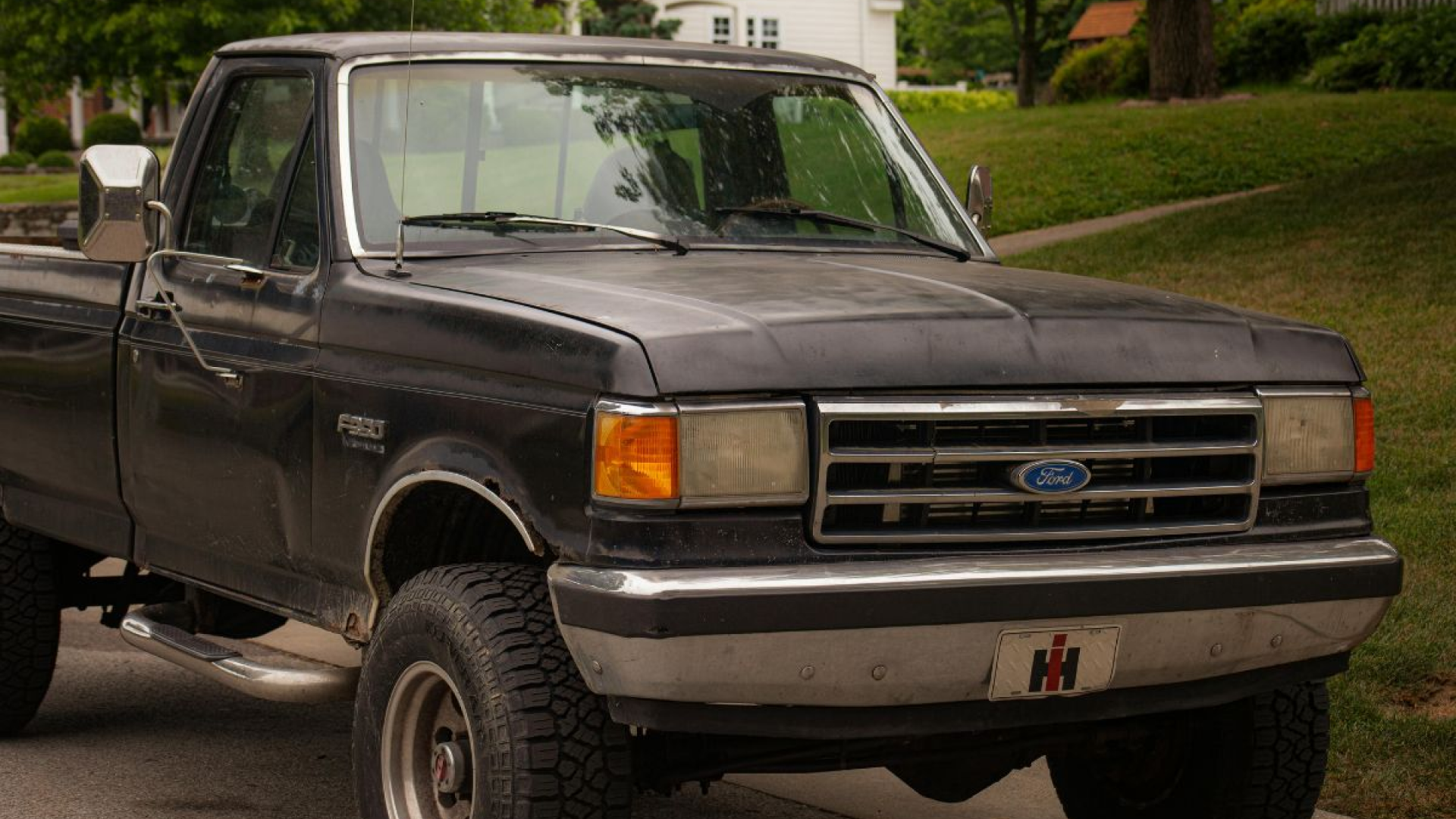
If you own an aging pickup truck that's no longer running reliably—or perhaps hasn't moved in years—you might assume it's worth very little. However, many vehicle owners are surprised to learn that older trucks often remain highly valuable in the junk car market, even when they have high mileage, mechanical problems, or significant wear.
Whether it's an old work truck, a retired farm pickup, or a vehicle that has simply reached the end of its roadworthy life, older trucks continue to attract attention from junk car buyers because of their durable components, recyclable materials, and demand for replacement parts.
For truck owners in Portland and throughout Oregon, understanding why older pickups retain value can help make the decision to sell much easier.
In this guide, we'll explain what makes older trucks valuable, what buyers look for, and why selling an unwanted pickup can still provide a worthwhile return.
Why Older Trucks Are Different From Many Passenger Cars
Pickup trucks are built for durability.
Unlike many passenger vehicles, trucks are designed to:
Carry heavy loads
Tow trailers
Handle demanding work environments
Accumulate high mileage
Operate under challenging conditions
Because of this heavy-duty construction, many truck components remain valuable long after the vehicle is no longer practical to drive.
Even when repairs no longer make financial sense, the truck itself often retains considerable recycling and salvage value.
Heavy-Duty Construction Means More Recyclable Materials
One reason older trucks often receive competitive offers is their size.
Compared to smaller passenger cars, trucks generally contain:
More steel
Larger frames
Heavier suspension components
Bigger axles
Larger driveline components
These materials contribute to the overall recycling value of the vehicle.
Since scrap metal prices are a major factor buyers consider when determining offers, a heavier vehicle can often retain more value than a smaller one.
Truck Parts Remain in Demand
Many older pickup trucks stay on the road for decades.
As a result, owners frequently search for affordable replacement parts rather than purchasing new components.
Commonly requested truck parts include:
Engines
Transmissions
Transfer cases
Differentials
Doors
Tailgates
Beds
Headlights
Mirrors
Wheels
Seats
Interior trim
When these parts remain in usable condition, they can contribute to a junk car valuation.
Older Trucks Often Have Valuable Drivetrain Components
Even if an older truck no longer runs, its drivetrain may still contain components that can be rebuilt, refurbished, or recycled.
Examples include:
Transmission assemblies
Rear axles
Drive shafts
Four-wheel-drive components
Transfer cases
Many trucks are built with heavy-duty systems designed for long service lives, making these components valuable even after years of use.
High Mileage Doesn't Always Mean Low Value
Many truck owners worry that high mileage automatically makes their vehicle worthless.
In reality, mileage is only one factor.
A truck with 250,000 miles may still contain:
Reusable body panels
Functional drivetrain parts
Valuable recyclable metals
Components that remain in demand
Professional junk car buyers evaluate the entire vehicle rather than focusing solely on the odometer.
Even Non-Running Trucks Can Be Worth Money
A truck doesn't need to start to have value.
Many buyers regularly purchase trucks with:
Engine failure
Transmission problems
Electrical issues
Flat tires
Dead batteries
Since many companies provide free towing, transportation is typically not the seller's responsibility.
Truck Frames and Chassis Often Hold Recycling Value
Pickup trucks generally feature stronger frames than passenger vehicles.
Although severe rust or accident damage may reduce value, the substantial amount of recyclable metal contained in a truck frame often contributes to its overall worth.
This is one reason older trucks frequently remain attractive to recyclers through the environmental benefits of recycling.
Aluminum and Other Valuable Materials
Many trucks contain recyclable materials beyond steel.
These may include:
Aluminum wheels
Aluminum engine components
Copper wiring
Radiators
Stainless steel exhaust components
The presence of recyclable metals can influence the amount buyers are willing to offer.
Catalytic Converters Can Add Value
Like many modern vehicles, trucks are equipped with catalytic converters.
These components contain precious metals such as:
Platinum
Palladium
Rhodium
Because of these materials, catalytic converter value often represents one of the more valuable recyclable components on an older truck.
Work Trucks Often Have Desirable Components
Many trucks used for commercial or personal work have additional equipment that may increase overall interest.
Examples include:
Heavy-duty bumpers
Tow hitches
Toolboxes
Ladder racks
Bed liners
Whether these items affect an offer depends on their condition and the buyer's purchasing process, but trucks built for work often contain components not found on standard passenger vehicles.
Older Trucks Continue Supporting Other Vehicles
One reason older trucks remain valuable is because they help keep similar trucks on the road.
Salvageable parts recovered from one truck may help repair another.
This ongoing scrap car demand creates a steady market for:
Replacement components
Rebuilt assemblies
Used body panels
Interior parts
As long as older trucks remain in service, demand for compatible parts is likely to continue.
Common Reasons People Sell Older Trucks
Many Portland-area owners decide to sell aging trucks because:
Repairs have become too expensive
Rust has become extensive
They purchased a newer vehicle
The truck is no longer needed for work
Selling can free up valuable driveway or garage space while eliminating ongoing maintenance costs.
What Buyers Typically Consider
When evaluating an older truck, buyers may look at factors such as:
Make and Model
Some trucks have stronger parts demand than others.
Vehicle Weight
Heavier trucks often contain more recyclable material.
Condition
Usable components generally increase overall value.
Completeness
Trucks with major components still installed are often worth more than vehicles with missing parts.
Market Demand
Current demand for parts and recyclable materials can influence pricing.
Tips for Maximizing Your Truck's Value
Although major repairs are rarely necessary, there are several simple tips to increase your cash offer.
Keep Major Components Installed
Avoid removing valuable items such as:
Engine
Transmission
Catalytic converter
Wheels
Have Ownership Documents Ready
Preparing your title and identification can help simplify the transaction.
Describe the Truck Accurately
Providing honest information allows buyers to prepare an accurate quote.
Sell Before Further Deterioration
Allowing a truck to sit outdoors for years can lead to weather damage, increasing rust and parts deterioration. Selling sooner may help preserve more value.
Common Myths About Older Trucks
Myth: A High-Mileage Truck Is Worthless
Reality: Many high-mileage trucks retain value through recyclable materials and reusable parts.
Myth: Non-Running Trucks Can't Be Sold
Reality: Professional junk car buyers regularly purchase trucks that no longer run.
Myth: Old Work Trucks Have No Market
Reality: Heavy-duty components and replacement parts often remain in demand.
Myth: Rust Eliminates All Value
Reality: While severe rust can reduce offers, many rusted trucks still contain valuable recyclable materials.
Frequently Asked Questions
Are older trucks worth more than older cars?
In many cases, trucks may retain higher value because they often contain more recyclable metal and heavy-duty components.
Can I sell a truck that doesn't run?
Yes. Many junk car buyers purchase non-running trucks and provide free towing.
Does high mileage reduce truck value?
Mileage is one factor, but buyers also consider reusable parts, recyclable materials, and overall condition.
Should I repair my truck before selling it?
Major repairs are often unnecessary when selling to a cash-for-car or junk vehicle buyer.
What truck parts are most valuable?
Engines, transmissions, catalytic converters, wheels, body panels, and drivetrain components often contribute significantly to value.
Can I sell a rusted truck?
Yes. Even trucks with rust frequently retain scrap and salvage value.
Does a missing engine lower the offer?
Generally, yes. Trucks with major components intact often receive higher offers.
Is it better to sell before the truck sits for years?
In many situations, yes. Prolonged outdoor storage can lead to additional deterioration and reduce value.
Conclusion
Older trucks continue to play an important role in the junk vehicle market because they contain durable components, valuable recyclable materials, and replacement parts that remain useful long after the truck stops running.
Whether your pickup has high mileage, mechanical problems, accident damage, or has simply reached the end of its useful life, it may still hold meaningful value. Heavy-duty construction, recyclable metals, and ongoing demand for truck parts all contribute to why older pickups are often sought after by professional junk car buyers.
Rather than letting an unused truck continue to deteriorate, many Portland vehicle owners choose to sell it as-is through a simple 4-step selling process, turning an unwanted vehicle into cash while freeing up valuable space.
Ready to Sell Your Older Truck?
If you have an aging pickup that's no longer worth repairing, Cash For Junk Cars NW purchases trucks in a wide variety of conditions, including non-running, damaged, and high-mileage vehicles. Learn more about our team, explore our full range of services, or contact us today to get a fast quote.
Your old truck may still have more value than you expect, and selling it could be the simplest way to recover cash while clearing your property.