What Portland Sellers Should Know About Salvage Vehicle Buyers
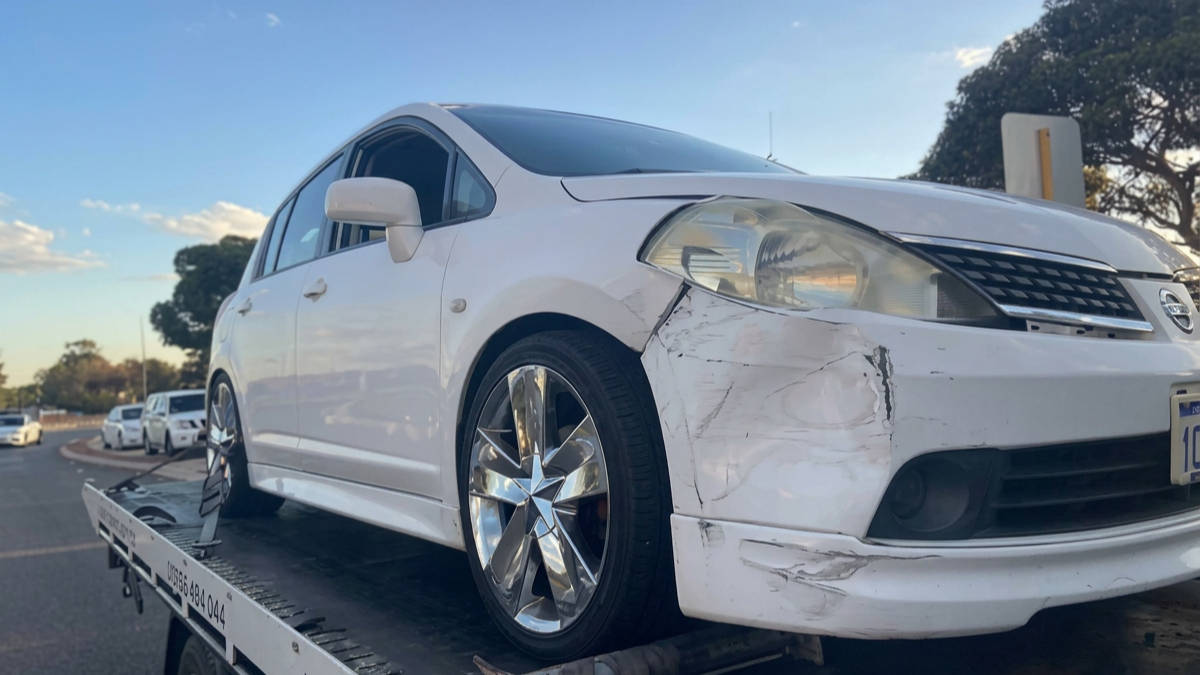
Selling a damaged or totaled vehicle can feel very different from selling an ordinary used car. A vehicle may have suffered major collision damage, developed serious mechanical problems, been affected by flooding, or simply become too expensive to repair. In these situations, salvage vehicle buyers can provide an alternative to putting the car through a traditional private-party sale.
For Portland vehicle owners, however, it is important to understand what a salvage buyer is actually purchasing, how vehicle condition affects value, and what Oregon's title rules mean for a damaged vehicle.
A salvage vehicle isn't necessarily worthless. Even when a car cannot reasonably be returned to the road, it may still contain usable parts and recyclable materials. At the same time, Oregon distinguishes between salvage/totaled vehicles and junk vehicles, and those distinctions can affect what happens to the vehicle after the sale. (Oregon)
Here's what Portland sellers should know before accepting an offer.
What Is a Salvage Vehicle?
A salvage vehicle is generally a vehicle that has sustained enough damage to be classified as a total loss.
In Oregon, a totaled vehicle can qualify for a salvage title if it has not been declared junk, scrap, or another non-repairable designation. Oregon DMV explains that a vehicle declared totaled must be re-titled because of its totaled status, even if no repairs are performed. (Oregon)
That distinction is important.
A salvage vehicle may potentially be repaired and eventually retitled under the appropriate Oregon requirements.
A junk vehicle, by contrast, is considered non-repairable under Oregon's rules and cannot receive an Oregon title. (Oregon)
Why Would Someone Buy a Salvage Vehicle?
The fact that a vehicle has been declared totaled doesn't mean every component has been destroyed.
A damaged vehicle may still contain:
Usable mechanical components
Body panels
Wheels
Interior components
Electronics
Recyclable steel
Aluminum and other metals
A buyer may therefore evaluate the vehicle based on what can still be recovered rather than simply asking whether the car is roadworthy.
This is why a totaled car can still have cash value.
What Is the Difference Between a Salvage Buyer and a Traditional Used-Car Buyer?
A traditional used-car buyer usually wants a vehicle that can be driven, registered, and used as transportation.
A salvage or junk vehicle buyer has a different objective.
Instead of focusing exclusively on:
Ride quality
Appearance
Fuel economy
Maintenance history
the buyer may be more interested in:
Salvageable parts
Vehicle completeness
Scrap materials
Make and model
Current demand
Overall damage
This difference can make a damaged vehicle much easier to sell through the appropriate buyer than through a conventional private listing.
What Types of Damaged Vehicles Can Have Salvage Value?
Several situations can result in a vehicle becoming a potential salvage candidate.
Collision-Damaged Cars
A serious accident may damage the front, rear, side, roof, or structural components.
Even if repairing the vehicle is uneconomical, undamaged components can still have value.
Mechanically Failed Vehicles
A vehicle doesn't have to be wrecked to become uneconomical to repair.
An older car with a failed engine or transmission may cost more to repair than its market value justifies.
Flood-Damaged Vehicles
Water damage can affect electrical systems, mechanical components, and interiors.
Depending on the extent of damage, a vehicle may still have salvage or recycling value even when returning it to normal road use isn't practical.
Fire-Damaged Vehicles
Fire can significantly reduce a vehicle's usable components, but some materials and parts may remain recoverable.
How Does Damage Affect the Value of a Salvage Vehicle?
Not every totaled vehicle receives the same offer.
Several factors can affect the vehicle's remaining value.
Extent of Damage
A vehicle with localized damage may retain more usable components than one that has been severely damaged throughout.
Vehicle Completeness
A complete vehicle can provide more opportunities for parts recovery than one that has already been stripped.
Make and Model
Parts for some vehicles may have stronger demand than parts for others.
Age
An older vehicle may have lower conventional resale value, although it can still contain useful parts and recyclable materials.
Scrap Market Conditions
The value of recyclable materials can change over time.
Location and Pickup
The vehicle's accessibility and transportation requirements can also affect the transaction.
What Should Portland Sellers Know About Oregon Salvage Titles?
This is one of the most important parts of selling a damaged vehicle.
Oregon DMV states that owners of totaled vehicles can apply for a salvage title when appropriate. The process requires the applicable ownership documentation and, when required, an odometer disclosure and releases from previous owners or lienholders. (Oregon)
A salvage title also changes the vehicle's status. According to Oregon DMV, registration is cancelled when a salvage title is issued, and a salvage-titled vehicle generally cannot be operated on Oregon highways unless it has a valid trip permit. (Oregon)
If you are selling a damaged vehicle, understanding its current title status before the transaction can prevent confusion.
What Is a Junk Vehicle in Oregon?
This is another distinction sellers should understand.
Oregon DMV describes junk vehicles using terms such as:
Junk
Scrap
Non-repairable
Non-rebuildable
Parts only
Crushed
Destroyed
Dismantled
Wreck
A vehicle with this type of status cannot receive an Oregon title. (Oregon)
Therefore, don't assume that "salvage" and "junk" mean exactly the same thing. If you're uncertain about your vehicle's title brand or status, checking with Oregon DMV is a smart step before completing the sale.
What Paperwork Should Portland Sellers Have Ready?
For an ordinary vehicle sale in Oregon, DMV instructs sellers to sign and date the title or an appropriate bill of sale and handle lien and odometer requirements when applicable. Sellers should also notify DMV of the sale within 10 days through DMV2U or the appropriate notice-of-sale process. (Oregon)
For a damaged or salvage vehicle, additional documentation may apply depending on the vehicle's history and title status.
Useful documents can include:
Original title
Salvage title, when applicable
Lien release
Odometer disclosure, when required
Bill of sale
Identification
Keeping copies of transaction documents is also a sensible precaution.
What If You Still Owe Money on the Vehicle?
A lien can complicate a vehicle sale.
Oregon DMV states that a vehicle with an unpaid loan cannot simply be sold, donated, or gifted without addressing the lienholder's interest. (Oregon)
If your damaged vehicle still has an outstanding loan, contact the lienholder before arranging the sale.
Don't assume that a junk or salvage buyer can simply remove the lien from the transaction.
Do You Need to Repair a Salvage Vehicle Before Selling It?
Not necessarily.
This is one of the biggest advantages of selling a damaged vehicle as-is.
If repairs would require:
Major body work
Frame repair
Engine replacement
Transmission replacement
Extensive electrical work
the cost may exceed the additional value created by the repairs.
Before investing thousands of dollars, compare the estimated repair cost with what the vehicle could reasonably be worth afterward.
For a vehicle already destined for salvage or recycling, major repairs may not make financial sense.
Why Selling a Salvage Vehicle As-Is Can Be Practical
Selling the vehicle in its current condition can provide several benefits.
Avoid Additional Repair Costs
You don't have to invest more money into a vehicle you already consider uneconomical to repair.
Avoid Long Repair Delays
Major repairs can require parts, labor, inspections, and additional work.
Remove a Damaged Vehicle From Your Property
A totaled car sitting in a driveway or garage occupies valuable space.
Stop Further Deterioration
Weather exposure and prolonged storage can cause additional damage.
Simplify the Selling Process
A buyer experienced with damaged or unwanted vehicles may be better equipped to handle a vehicle that isn't roadworthy.
How Should You Evaluate a Salvage Vehicle Buyer?
Price is important, but it shouldn't be the only consideration.
Before agreeing to a transaction, ask:
Is the Offer Clearly Explained?
You should understand what you're being offered and whether any conditions could change the amount.
Are Pickup Arrangements Clear?
Confirm when and where the vehicle will be collected and whether there are any pickup-related charges.
Is the Buyer Clear About Documentation?
Ask what paperwork is required before pickup.
Does the Buyer Communicate Professionally?
Clear communication is particularly important when a vehicle has a complicated title or damage history.
Be Careful With Unrealistic Offers
A very high initial quote can sound attractive, but sellers should understand exactly what the offer represents.
Before accepting, clarify:
Whether the offer is based on the information you provided
Whether the vehicle will be inspected
Whether pickup costs apply
What could cause the offer to change
A transparent transaction is generally preferable to an impressive number that changes unexpectedly later.
Should You Remove Parts Before Selling?
Usually, it's better to discuss the vehicle as a complete unit before removing major components.
Taking out an engine, catalytic converter, transmission, wheels, or other valuable components can change the vehicle's overall value.
If you are considering selling individual parts separately, compare that option with the convenience of selling the complete vehicle.
What About a Salvage Vehicle That Doesn't Run?
A salvage vehicle does not necessarily need to be operational to have value.
Non-running vehicles can still contain:
Reusable parts
Scrap metal
Drivetrain components
Wheels
Electronics
Other recoverable materials
The important question isn't simply "Does it run?"
It's "What value remains in the vehicle?"
What Happens After a Salvage Vehicle Is Sold?
The answer depends on the buyer and the vehicle's status.
A damaged vehicle may be:
Inspected
Transported
Dismantled for usable components
Processed for recyclable materials
Rebuilt if appropriate and legally eligible
Oregon has specific requirements for dismantlers and vehicle processing. A dismantler certificate authorizes a business to buy, sell, deal in, or process vehicles for purposes such as destroying or salvaging them. (Oregon)
Oregon also requires qualifying certified dismantlers handling certain numbers of junk or salvage vehicles to report information to the National Motor Vehicle Title Information System (NMVTIS). (Oregon)
Common Mistakes Portland Sellers Should Avoid
Assuming "Totaled" Means "Worthless"
A total-loss designation concerns the vehicle's status and economics of repair. It doesn't mean every component has zero value.
Repairing Before Getting an Offer
Get an idea of the vehicle's as-is value before committing to expensive repairs.
Ignoring the Title Brand
A vehicle's title can contain important information about its history. Oregon titles have title-brand information that can identify statuses such as totaled or reconstructed. (Oregon)
Forgetting to Notify DMV
For a standard vehicle sale, Oregon DMV instructs sellers to notify DMV within 10 days. (Oregon)
Leaving Paperwork Unfinished
Make sure ownership transfer documentation is completed appropriately rather than assuming the buyer will handle every aspect.
Frequently Asked Questions
Can I sell a totaled car in Portland?
Yes. A totaled vehicle can still have salvage value, although its title status and Oregon requirements need to be considered.
Is a salvage vehicle the same as a junk vehicle in Oregon?
No. Oregon distinguishes salvage/totaled vehicles from junk vehicles. A junk vehicle is considered non-repairable and cannot be titled in Oregon. (Oregon)
Can I sell a salvage vehicle that doesn't run?
Yes. A vehicle's inability to operate does not automatically eliminate its salvage or recycling value.
Do I need to repair my totaled car before selling it?
Not necessarily. If repairs are too expensive relative to the vehicle's potential value, selling it as-is may be more practical.
What paperwork do I need to sell a damaged vehicle?
Requirements depend on the vehicle's circumstances and title status. Oregon DMV identifies title, lien-release, and odometer-disclosure requirements that may apply. (Oregon)
Can a salvage-titled vehicle be driven in Oregon?
Generally, a salvage-titled vehicle cannot be operated on Oregon highways unless it has a valid trip permit. Registration can be pursued after the vehicle is rebuilt and appropriately retitled. (Oregon)
Does a missing title prevent me from selling my vehicle?
It can complicate the transaction. Oregon DMV has different requirements depending on the vehicle's model year and circumstances, so sellers should verify the appropriate replacement or ownership-document process before selling. (Oregon)
Should I compare salvage vehicle buyers?
Yes. Comparing offers and transaction terms can help you understand the vehicle's potential value and avoid unexpected costs.
Conclusion
For Portland vehicle owners, selling a salvage or severely damaged vehicle doesn't have to mean taking on another expensive repair project. A totaled or non-operational vehicle can still have value through its reusable parts, salvage potential, and recyclable materials.
The most important step is understanding what type of vehicle you actually have. Oregon distinguishes salvage/totaled vehicles from junk vehicles, and those classifications carry different title implications. (Oregon)
Before selling, gather your ownership documents, understand the vehicle's title status, ask questions about the offer and pickup process, and avoid spending heavily on repairs without first determining whether those repairs make financial sense.
For Portland sellers, an informed as-is sale can be a practical way to turn a damaged vehicle into cash while clearing space and avoiding unnecessary repair expenses.
Ready to Explore Your Options?
If you have a damaged, totaled, non-running, or unwanted vehicle in the Portland area, Cash For Junk Cars NW provides information about its vehicle-buying services and can help you explore the next step.
Visit the official website:
You can also learn more about the company and its services through its About page and Services page, or contact the company directly through its Contact page.