Why Non-Operational Cars Still Bring Cash Offers
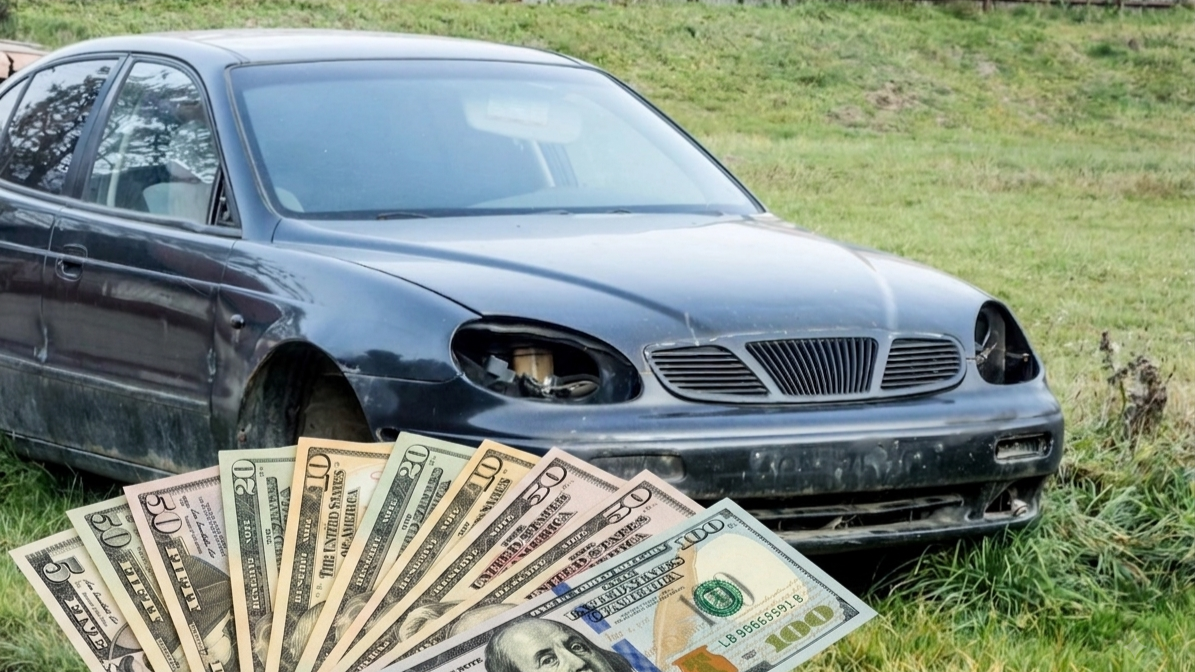
A car doesn't have to start, drive, or pass a road test to have value. For Portland vehicle owners with a non-operational car, this is an important distinction. A vehicle that won't start may be difficult to sell to a private buyer, but it can still attract a cash offer from a junk car buyer because its value isn't based solely on its ability to operate.
Engines, transmissions, catalytic converters, wheels, body panels, electronics, and recyclable metals can all contribute to a vehicle's remaining value. Even a car that has been sitting in a driveway for years may still be worth selling rather than leaving it to deteriorate further.
If you're wondering, "Can I sell a car that doesn't run?", the answer is often yes. The following guide explains why non-operational cars still have value, what affects an offer, and why selling a vehicle as-is can make more financial sense than repairing it.
What Is a Non-Operational Car?
A non-operational car is a vehicle that cannot currently be driven under its own power.
It may have:
A dead or failed engine
Transmission problems
Electrical failure
A damaged fuel system
A dead battery
Severe accident damage
Flat or damaged tires
Extensive rust
Water or weather damage
Mechanical problems that make driving unsafe
A car doesn't necessarily have to be permanently disabled. Even a vehicle that simply won't start today can be considered non-operational until the underlying problem is resolved.
For junk car buyers, however, non-operational does not mean worthless.
Why Does a Car That Doesn't Run Still Have Value?
The biggest reason is simple: a junk vehicle is more than its ability to drive.
When a traditional buyer evaluates a used car, they may focus heavily on:
Reliability
Driving condition
Mileage
Maintenance history
Appearance
A junk car buyer looks at the vehicle differently.
The buyer may be interested in its:
Reusable parts
Recyclable metal
Components
Salvage potential
Overall condition
Make and model
Current market scrap car demand in Portland
This means a vehicle can have substantial value even when its engine will not start.
What Parts of a Non-Running Car Can Still Be Valuable?
One of the most important reasons non-operational cars bring cash offers is that individual components may still have value.
Engines and Transmissions
A failed engine doesn't necessarily mean every engine component is useless. Depending on condition, certain components may be reusable, rebuilt, or recycled. The same applies to transmissions and other drivetrain components.
Catalytic Converters
Catalytic converters contain valuable metals, including platinum, palladium, and rhodium. Their presence can contribute to a vehicle's overall value. A vehicle missing its catalytic converter may therefore receive a different offer than a similar complete vehicle.
Wheels and Rims
Wheels may retain value even when the rest of the vehicle is no longer practical to operate. Aluminum wheels can also provide recyclable material.
Body Panels
Doors, hoods, fenders, bumpers, tailgates, and other body components may be useful when they remain in reasonable condition. This can be particularly relevant for vehicles where replacement parts are difficult or expensive to find.
Electronics
Modern vehicles contain numerous electronic components. Depending on the vehicle and condition, items such as modules, switches, lighting components, and other electronics may still have potential value.
Does a Dead Engine Make a Car Worthless?
No.
A dead engine can dramatically reduce a vehicle's value to a private buyer who wants a reliable daily driver, but it doesn't eliminate the vehicle's potential salvage or environmental benefits of recycling junk cars value.
This is an important distinction.
Suppose an older car needs a complete engine replacement. A private buyer may see a major repair expense and walk away. A junk car buyer may instead perform a thorough junk car valuation based on its remaining parts and recyclable materials.
That's why selling a car with engine problems can sometimes be more practical than paying for an expensive replacement engine.
What If the Transmission Is Bad?
Transmission failure is another common reason vehicles become non-operational. Replacing or rebuilding a transmission can be expensive, especially on an older vehicle.
Before spending thousands of dollars on repairs, owners should consider the vehicle's overall value.
Ask:
How old is the car?
How much is it worth in its current condition?
What other repairs does it need?
How much would the transmission repair cost?
Will another major problem appear soon?
If the vehicle already has multiple serious problems, selling it as-is may make more financial sense.
Can You Sell a Car That Has Been Sitting for Years?
Yes, in many cases.
Long-term storage is one of the most common reasons a vehicle becomes non-operational.
A car that sits for years may develop:
A dead battery
Flat tires
Rust
Corroded components
Rodent damage
Mold
Deteriorated seals
Electrical problems
These issues may prevent the vehicle from starting, but they don't necessarily eliminate its value. In fact, waiting even longer can allow additional deterioration to occur.
How Mileage Impacts the Cash Value of Your Junk Car
Not necessarily. High mileage can affect the value of a conventional used vehicle, but junk car buyers consider a broader range of factors.
A high-mileage vehicle may still contain:
Valuable metals
Usable body panels
Wheels
Drivetrain components
Electronics
Other salvageable parts
Therefore, a high-mileage non-running car can still be worth selling.
How Vehicle Condition Affects the Cash Offer
Not every non-operational car is worth the same amount. The overall condition remains important.
A Complete Vehicle
A car with most of its original components intact may offer more recovery opportunities than one that has already been stripped.
A Partially Dismantled Vehicle
If major components have been removed, the potential value can decrease. This is why removing parts before requesting an offer isn't necessarily beneficial.
Severely Damaged Vehicles
Fire, flood, collision, and extensive rust damage can reduce the number of reusable components. However, even heavily damaged vehicles may retain scrap value.
Why You May Not Need to Repair a Non-Operational Car
One of the biggest advantages of selling to a junk car buyer is that you may not need to make the vehicle operational first.
Imagine an older Portland vehicle that needs:
A new engine
A transmission repair
Brake work
New tires
Electrical repairs
The total cost could quickly become substantial. If the vehicle's market value is relatively low, spending thousands of dollars to make it roadworthy may not make economic sense. Selling it as-is avoids that additional investment.
What About a Dead Battery or Flat Tires?
These problems are generally much less significant than major mechanical failure.
A vehicle that's non-operational because of a dead battery may have substantially more potential value than its owner realizes. Likewise, flat tires don't necessarily prevent a junk car from being picked up.
Professional vehicle removal equipment and free towing can be used for cars that cannot be driven away normally.
Does Accident Damage Eliminate a Car's Cash Value?
No.
A severely damaged vehicle may not be worth repairing, but it can still contain:
Usable parts
Recyclable metals
Components from undamaged areas
Salvageable equipment
For example, a vehicle with major front-end damage may still have usable rear body components, wheels, interior pieces, or other parts.
How Weather Damage Affects Non-Operational Vehicles
Oregon's wet conditions can contribute to vehicle deterioration, particularly when a car sits outside for an extended period.
Rain and moisture can contribute to:
Rust
Corrosion
Water intrusion
Interior damage
Electrical problems
Weather damage can reduce value, but it doesn't automatically make a vehicle unsellable. If you already know you won't repair the vehicle, selling sooner may help prevent additional deterioration.
What Factors Influence a Cash Offer?
A junk car offer can depend on several factors rather than one simple formula.
Vehicle Make and Model: Some vehicles have stronger demand for parts than others.
Age: Older vehicles may have lower conventional resale value but can still contain useful materials and components.
Condition: The condition of major parts can affect potential recovery value.
Completeness: Vehicles with important components intact generally provide more opportunities for recovery.
Scrap Market Conditions: The value of recyclable materials can change over time.
Location: Pickup requirements and accessibility can affect the overall transaction.
Should You Try to Get a Non-Running Car Started Before Selling?
Usually, there's no reason to spend significant money attempting to make a junk vehicle operational.
If the car simply has a dead battery, you may already know the solution. But if it has been sitting for years or has a serious mechanical problem, attempting a major repair solely to sell it may not be worthwhile.
Before spending money, compare the expected repair expense with the likely increase in vehicle value. In many junk car situations, selling as-is is the simpler financial choice.
How to Prepare a Non-Operational Car for Sale
You don't need to restore the vehicle, but a few practical steps can make the transaction easier.
Gather Your Vehicle Information: Have details such as Year, Make, Model, Mileage, General condition, Running status, and Location ready when requesting a quote.
Keep the Vehicle Intact: Avoid stripping valuable components before selling. The more complete the vehicle is, the more potential recovery value it may have.
Prepare Ownership Documentation: Locate your vehicle title and identification before arranging the sale. Proper documentation can help make the process smoother.
Explain the Vehicle's Condition Honestly: Tell the buyer if the engine is seized, the transmission is damaged, the vehicle has been sitting for years, parts are missing, or the vehicle has accident damage. Accurate information helps establish realistic expectations before pickup.
Why Selling As-Is Can Be More Practical
Selling a non-operational car as-is can eliminate several headaches.
You Avoid Major Repair Bills: There's no need to invest heavily in a vehicle you no longer want.
You Don't Need to Find a Private Buyer: A junk car buyer is specifically interested in vehicles that may not appeal to conventional used-car shoppers.
You Can Clear Your Property: Removing the vehicle creates space in your driveway, garage, or other storage area.
You Stop Further Deterioration: The vehicle no longer sits outside accumulating additional weather damage.
You Turn an Unused Asset Into Cash: Instead of allowing the car to continue losing condition, you can recover some of its remaining value.
Common Mistakes to Avoid
Assuming the Vehicle Is Worthless: Don't automatically scrap or abandon a vehicle simply because it doesn't run.
Spending Thousands on Repairs: Calculate the economics before approving major work.
Removing Major Components: Stripping the vehicle can reduce its overall value.
Waiting for Years: If you already know the vehicle won't be repaired, prolonged storage can lead to further deterioration.
Giving Incomplete Information: Accurate vehicle details make the quoting and pickup process easier.
Frequently Asked Questions
Can I sell a car that doesn't run?
Yes. Non-running vehicles are commonly purchased by junk car buyers because they can still contain valuable parts and recyclable materials.
Why would someone pay cash for a non-operational car?
The vehicle may have value through its reusable components, salvageable parts, and recyclable metals even though it cannot currently be driven.
Is a car with a blown engine worth anything?
Yes. A blown engine lowers the vehicle's conventional resale value, but the remaining components and recyclable materials can still have value.
Can I sell a car that has been sitting for years?
Yes. Long-term storage does not automatically make a vehicle worthless. Its condition and remaining components determine much of its potential value.
Should I repair a non-running car before selling it?
Usually, major repairs aren't worthwhile if you're selling the vehicle as a junk car. Compare the repair cost with the value it would add before spending money.
Do junk car buyers purchase cars with flat tires?
Many do. A vehicle doesn't necessarily need to be driveable for professional vehicle removal.
Does high mileage make a junk car worthless?
No. Mileage is only one factor. Recyclable materials and salvageable parts can still give a high-mileage vehicle value.
Can I sell an accident-damaged car that won't start?
Yes. Accident-damaged vehicles can still contain usable components and recyclable materials.
Conclusion
A non-operational car may no longer be useful as transportation, but that doesn't mean it has no monetary value. Cars that don't run can still bring cash offers because their engines, transmissions, catalytic converters, wheels, electronics, body components, and recyclable metals may retain value.
For Portland vehicle owners, the key is to look beyond whether the vehicle starts. If repairing the car would require a major financial investment, selling it as-is may be a more practical alternative.
Instead of allowing a non-running vehicle to occupy your property and deteriorate further, consider finding out what it's worth in its current condition.
Ready to Sell Your Non-Operational Car?
If you have an old, damaged, or non-running vehicle in the Portland area, Cash For Junk Cars NW can help you explore your options for selling it as-is. Learn more about the company and its services through the official site or about us section, or feel free to contact us directly.
Your car may not run anymore, but it can still have value—and finding out what that value is could be much easier than repairing it.