How Engine Damage Changes Your Junk Car’s Cash Value
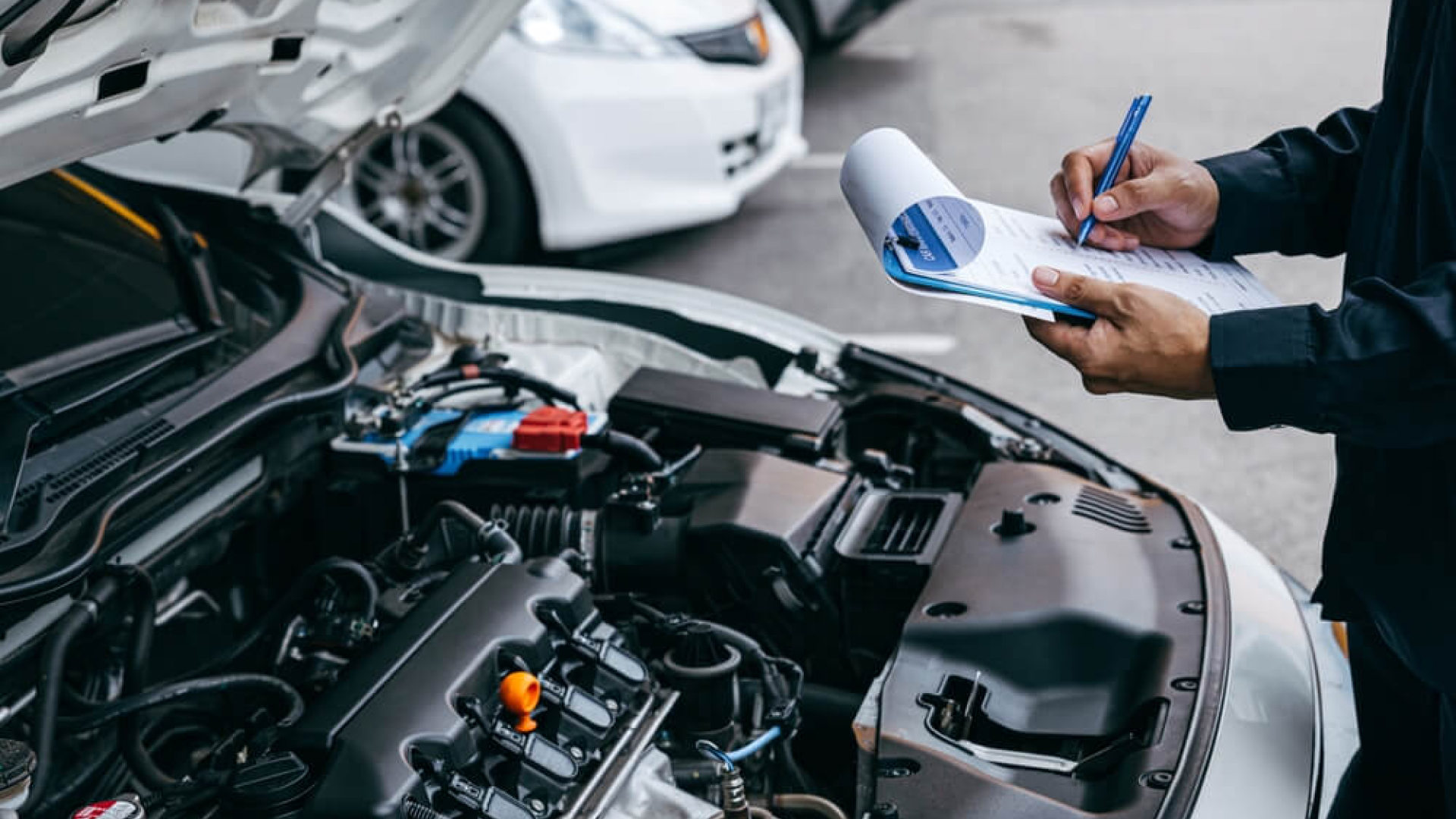
When a car develops serious engine trouble, many owners immediately assume it has become worthless. A seized engine, blown head gasket, persistent overheating, or complete engine failure can make an older vehicle too expensive to repair—but engine damage does not automatically eliminate a junk car’s cash value.
For Portland vehicle owners, the more useful question is not simply, “Does the engine work?” It is “How does the engine’s condition affect what remains valuable in the vehicle?”
Junk car buyers evaluate an unwanted vehicle differently from a private buyer shopping for dependable transportation. Even when the engine cannot be repaired economically, the vehicle may still contain valuable components and recyclable materials. The make, model, condition, completeness, and overall demand can all influence its cash value.
This guide explains how engine damage affects a junk car offer, which engine problems tend to have the biggest impact, when repairing an engine makes sense, and why selling a damaged vehicle as-is can sometimes be the more practical choice.
Does Engine Damage Make a Junk Car Worthless?
No. Engine damage can reduce a vehicle's value, but it does not necessarily make the vehicle worthless.
A conventional used-car buyer generally places significant importance on whether the vehicle runs properly. A junk car buyer looks at the entire vehicle.
Even with a failed engine, a car may still contain:
Transmission components
Wheels and tires
Body panels
Interior components
Electronics
Suspension components
Recyclable metals
Other usable parts
Therefore, the engine is only one part of the overall valuation.
A vehicle with a failed engine may be worth less than an otherwise identical car with a functioning engine, but it can still generate a cash offer.
How Does Engine Condition Affect a Junk Car’s Value?
The impact depends largely on what happened to the engine and what condition the rest of the vehicle is in.
For example, consider two older cars with identical mileage.
One has a failed engine but an intact transmission, good body panels, complete interior, and other usable components.
The second has an engine problem but is also missing major parts, has extensive collision damage, and has significant deterioration.
The first vehicle may retain considerably more value because there is more remaining material and component value.
This is why junk car valuation isn't based on engine condition alone.
Common Types of Engine Damage That Affect Value
Engine problems range from relatively minor issues to catastrophic failure.
Blown Head Gasket
A blown head gasket can cause:
Coolant loss
Overheating
Poor engine performance
Oil contamination
White exhaust smoke
Repair costs can be significant, particularly on an older vehicle.
If the vehicle already has high mileage or multiple mechanical problems, repairing the head gasket may not make financial sense before selling.
Seized Engine
A seized engine generally means the engine cannot rotate normally because of severe internal damage or lack of lubrication.
Possible causes include:
Severe overheating
Oil starvation
Internal component failure
Prolonged mechanical damage
A seized engine can substantially reduce a vehicle's conventional resale value.
However, the rest of the vehicle may still have salvage and recycling value.
Cracked Engine Block
A cracked block is a serious mechanical problem that can require extensive engine repair or replacement.
For an older vehicle, the cost of restoring the engine may exceed the vehicle's overall market value.
Instead of investing heavily in the repair, an owner may choose to sell the vehicle as-is.
Persistent Overheating
An overheating engine may have problems involving:
Cooling system components
Radiator
Water pump
Thermostat
Head gasket
Internal engine components
Not every overheating problem means the engine is permanently destroyed.
However, if an older vehicle repeatedly overheats and requires multiple repairs, owners should consider whether continuing to invest in it is financially sensible.
Engine That Won't Start
A car that won't start isn't necessarily suffering from catastrophic engine failure.
The cause could be something relatively simple, such as:
Battery failure
Starter problems
Fuel-system issues
Ignition problems
Electrical faults
But if the vehicle has already been diagnosed with serious engine damage, the economics can be very different.
Before spending money on diagnostics and repairs, compare the likely repair cost with the vehicle's current value.
Why the Rest of the Vehicle Still Matters
One of the most important concepts to understand is that junk car value is not the same thing as engine value.
A damaged engine doesn't automatically destroy the value of everything around it.
The Transmission May Still Have Value
Even if the engine has failed, the transmission may remain usable depending on its condition.
The Catalytic Converter May Contribute Value
Catalytic converters contain recyclable materials that can contribute to the vehicle's overall value.
The Body May Still Be Useful
Doors, fenders, hoods, bumpers, tailgates, and other panels may remain usable.
The Interior Can Still Contain Recoverable Components
Seats, dashboards, electronics, switches, and trim pieces may retain value depending on condition and demand.
The Vehicle Contains Recyclable Metal
Steel and other materials contribute to the vehicle's scrap value.
This is why a vehicle should be evaluated as a complete unit rather than judged solely by its engine.
How Engine Damage Compares With Other Vehicle Problems
Engine failure is serious, but it isn't necessarily the only factor determining an offer.
A vehicle with a functioning engine may still have relatively low value if it has:
Extensive rust
Severe accident damage
Major interior deterioration
Other significant mechanical failures
Likewise, a vehicle with a dead engine can retain meaningful value if the rest of the vehicle is complete and in reasonable condition.
The overall condition matters.
Should You Replace the Engine Before Selling?
This is one of the most important financial questions an owner can ask.
Engine replacement can be expensive. Depending on the vehicle, the repair may involve:
Replacement engine
Labor
Fluids
Gaskets and seals
Additional components
Diagnostic work
And repairing one major problem doesn't guarantee that another won't appear shortly afterward.
Before approving an engine replacement, compare:
Total repair cost vs. expected increase in vehicle value
If an older vehicle is worth only a modest amount in running condition, spending thousands on an engine replacement may not produce a worthwhile return.
When Engine Repair May Make More Sense
There are situations where repairing the engine could be reasonable.
For example, consider a relatively valuable vehicle that:
Has otherwise good condition
Has a strong maintenance history
Has relatively low mileage
Has limited additional problems
Has an engine issue that can be repaired affordably
In such a case, repairing the vehicle could potentially make financial sense.
The important point is to evaluate the whole vehicle, not just the engine.
When Selling the Car As-Is May Be Better
Selling as-is may make more sense when:
The engine needs replacement
The vehicle has very high mileage
Several systems need repair
The body is significantly damaged
Rust is extensive
The car has been sitting for years
Repair costs exceed the vehicle's realistic value
If you already know you don't want to invest additional money into the vehicle, getting an as-is offer can provide a useful alternative to paying for major repairs.
Does Engine Mileage Affect Junk Car Value?
Mileage can influence a vehicle's value, but it isn't the only consideration.
A high-mileage car may still contain:
Usable components
Recyclable metals
Valuable equipment
Parts compatible with other vehicles
Therefore, high mileage plus engine damage does not automatically mean zero value.
The buyer may consider the vehicle's remaining components and materials instead.
For more detail on this factor, see how mileage impacts the cash value of your junk car.
How Missing Engine Parts Can Change the Offer
There's an important difference between a damaged engine and an incomplete vehicle.
A car with a failed but complete engine is different from a car where major engine components have already been removed.
If you remove components before selling, you may change the vehicle's overall value.
For this reason, don't assume that stripping an unwanted vehicle will automatically increase the amount you receive.
If you're considering removing parts, first compare the potential value of the parts individually with the convenience and value of selling the complete vehicle.
How Weather Can Make Engine Problems Worse
A vehicle with existing engine damage can deteriorate further when left outside.
Portland's wet conditions can contribute to:
Rust
Corrosion
Water intrusion
Electrical problems
Interior deterioration
If a vehicle is already non-operational and you don't intend to repair it, prolonged outdoor storage may not be beneficial.
Selling sooner can prevent additional deterioration from becoming another factor affecting the vehicle's condition.
You can also learn more about how weather damage affects junk car prices in Oregon.
What Other Factors Influence a Junk Car Cash Offer?
Engine condition is only one part of the picture.
Make and Model
Demand for certain vehicles and their parts can vary.
Year
Older vehicles may have lower conventional resale value but can still contain recyclable materials and usable components.
Overall Condition
A complete vehicle with fewer additional problems may have more potential value.
Vehicle Completeness
Missing major components can affect the amount a buyer is willing to offer.
Scrap and Salvage Demand
Market demand for recyclable materials and vehicle components can change over time.
Location
Pickup requirements and vehicle accessibility can also affect the transaction.
For Portland owners, the service areas covered for junk car removal can help explain how location factors into the process.
Why Non-Running Cars Can Still Receive Cash Offers
A common misconception is that junk car buyers only want vehicles that can be started and driven onto a tow truck.
That's not necessarily the case.
A vehicle may still be purchased even when it:
Won't start
Has a failed engine
Has a dead battery
Has flat tires
Has transmission problems
Has been sitting for an extended period
Professional vehicle removal makes it possible to move cars that cannot be driven normally.
This is particularly useful for owners who have an unwanted vehicle occupying a driveway, garage, or other property space.
Learn more about selling a non-running car and what to expect.
How to Get a More Accurate Offer for a Car With Engine Damage
When contacting a junk car buyer, provide as much accurate information as possible.
Useful details include:
Year
Make
Model
Mileage
Engine condition
Whether the vehicle starts
Whether it can move under its own power
Accident damage
Missing parts
General exterior condition
Vehicle location
Don't try to hide serious engine problems.
Accurate information allows the buyer to understand what they're purchasing and reduces the possibility of surprises later.
For additional guidance, see how to get a fast quote from Cash For Junk Cars NW.
Should You Clean the Car Before Selling?
A basic cleanup can make it easier to identify personal belongings and documents, but extensive cosmetic preparation usually isn't necessary for a junk vehicle.
Before pickup, check the:
Glove compartment
Center console
Trunk
Door pockets
Under-seat areas
Cargo area
Remove personal items and important documents.
There's generally little reason to spend substantial money detailing a vehicle that you're selling as a junk car.
Don't Forget Your Ownership Documents
Before selling an unwanted vehicle, locate the documentation associated with it.
Having the appropriate ownership paperwork available can help make the transaction smoother.
If you're unsure which documents apply to your particular situation, verify the requirements before completing the sale.
You can review common paperwork mistakes to avoid when selling a junk car in Oregon.
Common Mistakes When Selling a Car With Engine Damage
Spending Too Much on Repairs
Don't automatically assume an engine repair will pay for itself.
Assuming the Vehicle Has No Value
A failed engine doesn't eliminate the value of the rest of the vehicle.
Removing Major Components
Stripping the vehicle can affect its overall value.
Waiting for the Vehicle to Deteriorate
If you're not going to repair it, prolonged storage may create additional problems.
Providing Inaccurate Information
Be upfront about the engine's condition, missing parts, and other major issues.
Frequently Asked Questions
Does a blown engine reduce the value of a junk car?
Yes, engine failure can reduce an offer because the engine may no longer have usable value. However, the vehicle can still retain value through other parts and recyclable materials.
Can I sell a car with a seized engine?
Yes. A seized engine doesn't automatically make the entire vehicle worthless. A buyer can evaluate the remaining components and materials.
Should I replace my engine before selling my junk car?
Usually, major engine replacement isn't worthwhile unless the vehicle has enough overall value to justify the repair expense.
Can a non-running car still get a cash offer?
Yes. Junk car buyers can purchase vehicles that don't start or cannot be driven, depending on the buyer and vehicle circumstances.
Does high mileage combined with engine damage make a car worthless?
No. Mileage and engine condition are important, but buyers can also consider the vehicle's parts, materials, completeness, and overall condition.
What if my engine is damaged but the rest of my car is in good condition?
The vehicle may retain more value because other components can still be usable. The overall condition should be considered before deciding whether to repair or sell.
Can I sell an old car with engine problems without repairing it?
In many cases, yes. Selling the vehicle as-is can help you avoid investing additional money into a vehicle you no longer want.
Does removing the engine before selling increase the value?
Not necessarily. Removing major components changes the vehicle's condition and can reduce its overall value. Discuss the vehicle's condition with the buyer before dismantling it.
Conclusion
Engine damage can lower a junk car's cash value, but it doesn't make the entire vehicle worthless. The final value depends on much more than whether the engine starts.
A vehicle with a failed engine may still contain a usable transmission, catalytic converter, wheels, body panels, electronics, and recyclable metals. Its make, model, age, completeness, overall condition, and current salvage and recycling demand can all influence what a buyer is willing to offer.
For Portland owners, the key is to avoid automatically assuming that an expensive engine repair is the best next step. If an older vehicle already has high mileage or multiple problems, putting thousands of dollars into an engine replacement may not be financially sensible.
Instead, consider the vehicle's as-is value before committing to major repairs. You may discover that selling the car in its current condition is a simpler way to recover some of its remaining value while removing an unwanted vehicle from your property.
Ready to Find Out What Your Engine-Damaged Car Is Worth?
If you have an older, non-running, or engine-damaged vehicle in the Portland area, Cash For Junk Cars NW provides information about selling unwanted vehicles and available services.
Explore the official website:
If the engine has reached the end of its useful life, the car itself may still have plenty of value left.