The Role of Auto Recycling in Portland’s Local Economy
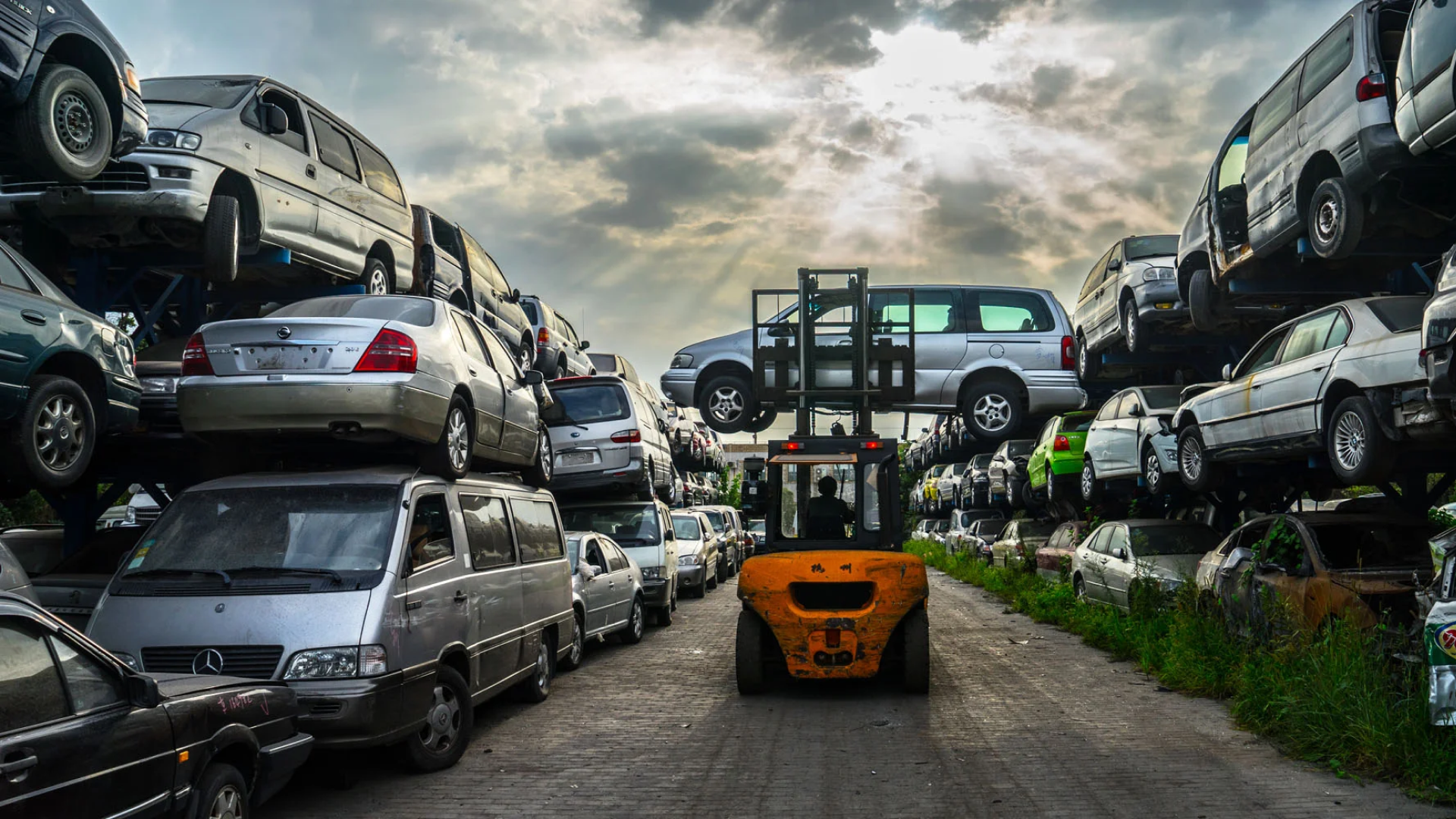
When a Portland vehicle reaches the end of its useful life, it may seem like nothing more than an old car taking up space. In reality, auto recycling plays an important role in the local economy by creating activity across vehicle purchasing, towing, dismantling, parts recovery, metal recycling, transportation, and waste management.
That means selling an unwanted car isn't simply about getting rid of an old vehicle. It can also place reusable materials and components back into the economic cycle instead of leaving the vehicle to deteriorate on private property or eventually become waste.
Oregon has a regulated dismantling industry, with the Oregon Department of Transportation issuing Dismantler Certificates to businesses that buy, sell, process, dismantle, salvage, recycle, or otherwise handle vehicles for these purposes.
For Portland vehicle owners, understanding this process helps explain where junk cars go, why old vehicles still have value, how auto recycling supports local businesses, and why responsible vehicle disposal matters to the community.
What Is Auto Recycling?
Auto recycling is the process of recovering usable components and recyclable materials from vehicles that are no longer practical to operate.
A vehicle may enter the recycling system because it is:
Too old to repair economically
Damaged in an accident
Non-running
Rusted or deteriorated
Too expensive to maintain
Declared a total loss
No longer wanted by its owner
Rather than treating the entire vehicle as worthless, automotive recycling looks for ways to recover value from what remains.
An auto dismantler may recover, rebuild, resell, or recycle parts from worn-out or damaged vehicles. Oregon's Department of Environmental Quality specifically describes auto dismantlers as businesses involved in taking apart motor vehicles for these purposes.
This creates an economic chain that can involve far more businesses and workers than the vehicle owner sees during the initial sale.
Why Does Auto Recycling Matter to Portland's Economy?
Auto recycling contributes to the local economy in several ways.
The process creates demand for:
Vehicle purchasing
Towing and transportation
Dismantling
Parts inspection
Parts sales
Scrap processing
Metal recovery
Waste management
Environmental compliance
Automotive repair and maintenance
Every unwanted vehicle that enters this system can therefore generate activity across multiple stages.
Portland has a broader history of connecting recycling with economic development. The city has identified recycling as a source of jobs and sustainable-industry opportunities, while emphasizing the economic value created when materials are recovered rather than discarded.
How Does a Junk Car Become Part of the Recycling Economy?
The process generally begins when a vehicle owner decides that continuing to repair or store the vehicle no longer makes sense.
Step 1: The Owner Sells the Vehicle
The vehicle owner provides information about the car and its condition and works with an appropriate buyer or dismantler.
For owners looking for a straightforward selling process, selling an unwanted vehicle can connect the vehicle with the next stage of the recycling process.
Step 2: The Vehicle Is Transported
If the car doesn't run, transportation may be required.
This creates demand for towing and vehicle transport services.
Portland owners can also learn more about free towing when a non-running vehicle needs to be removed.
Step 3: The Vehicle Is Evaluated
The vehicle can be assessed for:
Reusable components
Salvageable parts
Recyclable metals
Overall condition
Vehicle completeness
Step 4: Usable Parts Can Be Recovered
Components that still have practical value may be removed, inspected, and potentially resold or reused.
Step 5: Remaining Materials Can Be Recycled
After useful components are recovered, remaining materials may enter appropriate recycling and processing channels.
The result is a vehicle that continues contributing value even though it is no longer useful as transportation.
For a closer look at the next stage, see what happens to your junk car after it gets picked up in Portland.
What Parts of an Old Car Can Still Have Economic Value?
One reason auto recycling supports a broader economic ecosystem is that a vehicle contains many individual components.
Oregon law specifically identifies major component parts such as engines, frames, transmissions, transfer cases, cabs, doors, differentials, truck beds, hoods, bumpers, fenders, catalytic converters, and airbags.
Depending on condition and demand, these components may be more useful than the vehicle owner realizes.
Engines and Drivetrain Components
An engine that no longer operates perfectly may still contain recoverable components.
Transmissions, differentials, transfer cases, and other drivetrain components can also have potential value.
For additional context, engine damage and junk car value can help explain why mechanical condition matters.
Body Panels
Doors, hoods, fenders, bumpers, and truck beds may be useful when they remain in suitable condition.
This can create an alternative source of replacement components for other vehicles.
Wheels and Other Components
Wheels, suspension components, electrical equipment, and interior parts may also have potential value depending on their condition and demand.
Why Reusing Auto Parts Matters
One of the most important economic benefits of vehicle recycling is that it can provide an alternative source of replacement parts.
Instead of every repair requiring a newly manufactured component, usable parts recovered from another vehicle may sometimes provide another option.
This creates value for:
Parts buyers
Repair shops
Vehicle owners
Dismantlers
Resellers
For owners of older vehicles, used components can also be particularly relevant when new replacement parts are expensive or difficult to obtain.
How Scrap Metal Contributes to the Recycling Economy
A vehicle contains a substantial amount of metal.
Steel is particularly important because it can be recovered after useful components have been removed.
The economic process doesn't end when the vehicle stops being a car. The materials themselves can become commodities that move into other manufacturing and recycling channels.
Portland's sustainability policies have long recognized the economic importance of recycling. The city has described recycling as a source of employment and economic development, with demand for recovered materials supporting opportunities in sustainable industries.
Does Selling a Junk Car Help Reduce Waste?
Yes, when the vehicle is processed through appropriate recycling and dismantling channels.
Instead of leaving an unwanted vehicle sitting indefinitely, recycling allows its components and materials to be evaluated for recovery.
This supports the basic principles of:
Reuse → Recovery → Recycling → Responsible disposal
The goal isn't necessarily to reuse every individual part. Some materials or components may no longer be practical to recover. Responsible recycling means maximizing useful recovery while managing remaining waste appropriately.
For more on this topic, see the environmental benefits of recycling junk cars the right way.
Why Responsible Auto Dismantling Matters
Auto recycling isn't simply a matter of taking vehicles apart.
Vehicles contain materials that require appropriate handling.
Oregon DEQ notes that auto dismantlers may need to address environmental requirements involving hazardous materials, waste tires, stormwater, air quality, and other potential pollution concerns.
This is important because vehicles can contain substances such as:
Used oil
Antifreeze
Batteries
Fuel
Solvents
Paint-related materials
Other potentially hazardous materials
Proper handling helps prevent these substances from entering soil or water.
How Auto Recycling Supports Local Jobs
The economic impact of recycling extends beyond the person who purchases an unwanted vehicle.
A vehicle can pass through several stages where workers and businesses contribute value.
These can include:
Vehicle Buyers
Businesses purchase unwanted vehicles from owners.
Towing Operators
Non-running cars require transportation.
Dismantlers
Workers identify and remove usable components.
Parts Specialists
Reusable components may need inspection, cataloging, storage, and distribution.
Scrap Processors
Metal and other materials can be processed for recycling.
Environmental Services
Proper management of fluids, tires, and other materials requires specialized knowledge and compliance.
This interconnected activity is part of what makes recycling an economic industry rather than simply a waste-disposal service.
What Role Do Local Junk Car Buyers Play?
Local junk car buyers can serve as an important connection between individual vehicle owners and the larger recycling system.
Most Portland residents aren't equipped to:
Dismantle a vehicle
Transport a non-running car
Identify valuable components
Process scrap metal
Manage automotive fluids
Handle vehicle recycling requirements
A professional buyer can make the first step much easier.
The owner sells an unwanted vehicle, and the vehicle can then enter the appropriate salvage, dismantling, or recycling process.
Portland residents can learn more about local junk car buyers and how this option compares with traditional selling.
Why Local Vehicle Recycling Can Benefit Portland Residents
There are practical benefits for individual vehicle owners as well.
It Clears Unwanted Vehicles From Properties
An unused vehicle can occupy a driveway, garage, or other valuable space.
Selling it allows the owner to reclaim that space.
For owners ready to remove an unwanted vehicle, the easiest way to remove an unwanted vehicle from your property provides another relevant resource.
It Can Reduce Long-Term Deterioration
A vehicle sitting outdoors continues to experience weather exposure, rust, and other forms of deterioration.
It Creates an Opportunity to Recover Value
Even a non-running vehicle may still contain parts and materials with economic value.
See why non-operational cars still bring cash offers for more information.
It Connects Consumers With Local Businesses
Instead of abandoning the vehicle, the owner participates in an established local industry.
How Does Auto Recycling Support a Circular Economy?
The concept of a circular economy is based on keeping materials in productive use for as long as possible.
A traditional linear model looks something like:
Manufacture → Use → Discard
Recycling introduces additional stages:
Manufacture → Use → Recover → Reuse/Reprocess → Recycle
Automobiles are particularly well suited to this concept because they contain numerous components and materials that can potentially be recovered.
The vehicle may no longer be useful as a complete automobile, but portions of it can continue serving an economic purpose.
Why Older Vehicles Still Matter to the Recycling Industry
An older vehicle may have little conventional resale value, especially if it has high mileage or major mechanical problems.
That doesn't necessarily mean it has no economic value.
Older vehicles can still contain:
Steel
Aluminum
Copper
Catalytic converters
Mechanical components
Electrical components
Body panels
Wheels
Other recoverable materials
This is why old cars, junk trucks, and non-running vehicles remain part of the automotive recycling economy.
What Happens to a Totaled Vehicle?
A totaled vehicle may enter the salvage or dismantling system depending on its condition and title status.
Oregon DMV distinguishes between totaled/salvage vehicles and junk vehicles. A totaled vehicle may qualify for a salvage title if it has not been declared junk, scrap, or another similar non-repairable designation.
If the vehicle is ultimately dismantled, usable components may be recovered before the remaining materials are processed.
This makes the vehicle's end-of-life stage part of a broader regulated system rather than simply sending an unwanted car directly to a landfill.
Owners dealing with accident-damaged vehicles can also review accident cars vs. total-loss vehicles for additional information.
Why Portland Sellers Should Work With Appropriate Buyers
Choosing the right buyer matters because vehicle recycling involves legal and environmental responsibilities.
Oregon requires a Dismantler Certificate for businesses engaged in buying, selling, dealing in, or processing vehicles for purposes including destroying or salvaging them.
Oregon DMV also advises vehicle owners having destroyed vehicles towed or dismantled to check that the dismantler or tow company is certified.
For sellers, this is a useful reminder: don't look only at the cash offer. Consider who is purchasing the vehicle and how the transaction will be handled.
Common Misconceptions About Auto Recycling
"My Car Is Too Old to Have Any Value"
Not necessarily.
Age can reduce conventional resale value, but parts and recyclable materials can still have economic value.
"A Car Has to Run to Be Recycled"
No.
Non-operational vehicles can still enter the dismantling and recycling system.
For more information, see selling a non-running car and what to expect.
"Recycling Means Everything Gets Reused"
Not necessarily.
Some components can be reused, some materials can be recycled, and some waste must be handled appropriately.
"Scrapping a Car Only Benefits the Seller"
The economic impact can extend beyond the seller through towing, dismantling, parts recovery, recycling, and related services.
How Portland Vehicle Owners Can Participate
Vehicle owners don't need to understand every stage of automotive recycling to participate responsibly.
A few practical steps can help.
Sell Rather Than Abandon the Vehicle
An unwanted vehicle should be handled through an appropriate buyer or disposal channel.
Be Honest About Its Condition
Accurate information helps the buyer determine how the vehicle should be handled.
Keep Ownership Documentation
Proper documentation helps establish the legal transfer of the vehicle.
For additional preparation guidance, see what to bring when selling your junk car.
Choose an Appropriate Buyer
Look for a buyer that clearly explains the process and operates within applicable requirements.
Remove Personal Belongings
Before pickup, check the trunk, glove compartment, center console, and other storage areas.
Frequently Asked Questions
How does auto recycling help Portland's economy?
Auto recycling supports economic activity through vehicle purchasing, towing, dismantling, parts recovery, scrap processing, transportation, and related environmental services.
What happens to an old car after it is sold for recycling?
The vehicle may be inspected, dismantled for usable parts, and processed for recyclable materials. Remaining waste is handled through appropriate disposal channels.
Can a non-running car still contribute to the recycling economy?
Yes. Even when a car cannot operate, its parts, metals, and other components may still have recovery value.
Does auto recycling create local jobs?
Yes. Vehicle recycling supports work across purchasing, transportation, dismantling, parts handling, recycling, and environmental management.
Why are auto dismantlers regulated in Oregon?
Vehicle dismantling involves ownership documentation, vehicle processing, waste materials, and environmental considerations. Oregon requires appropriate certification and compliance for qualifying dismantling businesses.
Is a totaled car the same as a junk car in Oregon?
No. Oregon has different classifications for totaled/salvage and junk vehicles. A junk vehicle may be designated non-repairable and cannot receive an Oregon title.
Why should Portland residents recycle old cars instead of abandoning them?
Responsible recycling provides an organized way to recover useful components and materials while reducing the problems associated with leaving deteriorating vehicles on private property or disposing of them improperly.
Does selling my junk car support local businesses?
Potentially, yes. The transaction can connect the vehicle with local towing, dismantling, parts recovery, recycling, and related services.
Conclusion
Auto recycling is much more than getting rid of an unwanted vehicle. It is part of a broader economic system that connects Portland vehicle owners with towing companies, dismantlers, parts markets, recycling operations, and environmental services.
An old car may have reached the end of its useful life as transportation, but that doesn't necessarily mean its economic usefulness has ended. Engines, transmissions, body panels, catalytic converters, wheels, and other components may still have value, while steel and other materials can move into recycling channels.
Oregon's regulatory framework also demonstrates why responsible vehicle recycling matters. Dismantlers must meet applicable requirements, and environmental regulations address issues such as hazardous materials, waste tires, stormwater, and pollution prevention.
For Portland vehicle owners, selling an unwanted car to an appropriate buyer can therefore accomplish several things at once: clear unwanted property, recover some remaining vehicle value, support an established local industry, and help move usable materials back into productive use.
Ready to Put an Unwanted Vehicle Back Into the Recycling Stream?
If you have an old, damaged, high-mileage, or non-running vehicle taking up space, learning about your selling options is a practical first step.
You can learn more about Cash For Junk Cars NW, its services, and its vehicle-selling process through the official website.
For Portland owners, an unwanted vehicle doesn't have to remain a permanent problem. It can become the starting point for another cycle of parts recovery, material recycling, local business activity, and economic value.