The Easiest Way to Remove an Unwanted Vehicle From Your Property
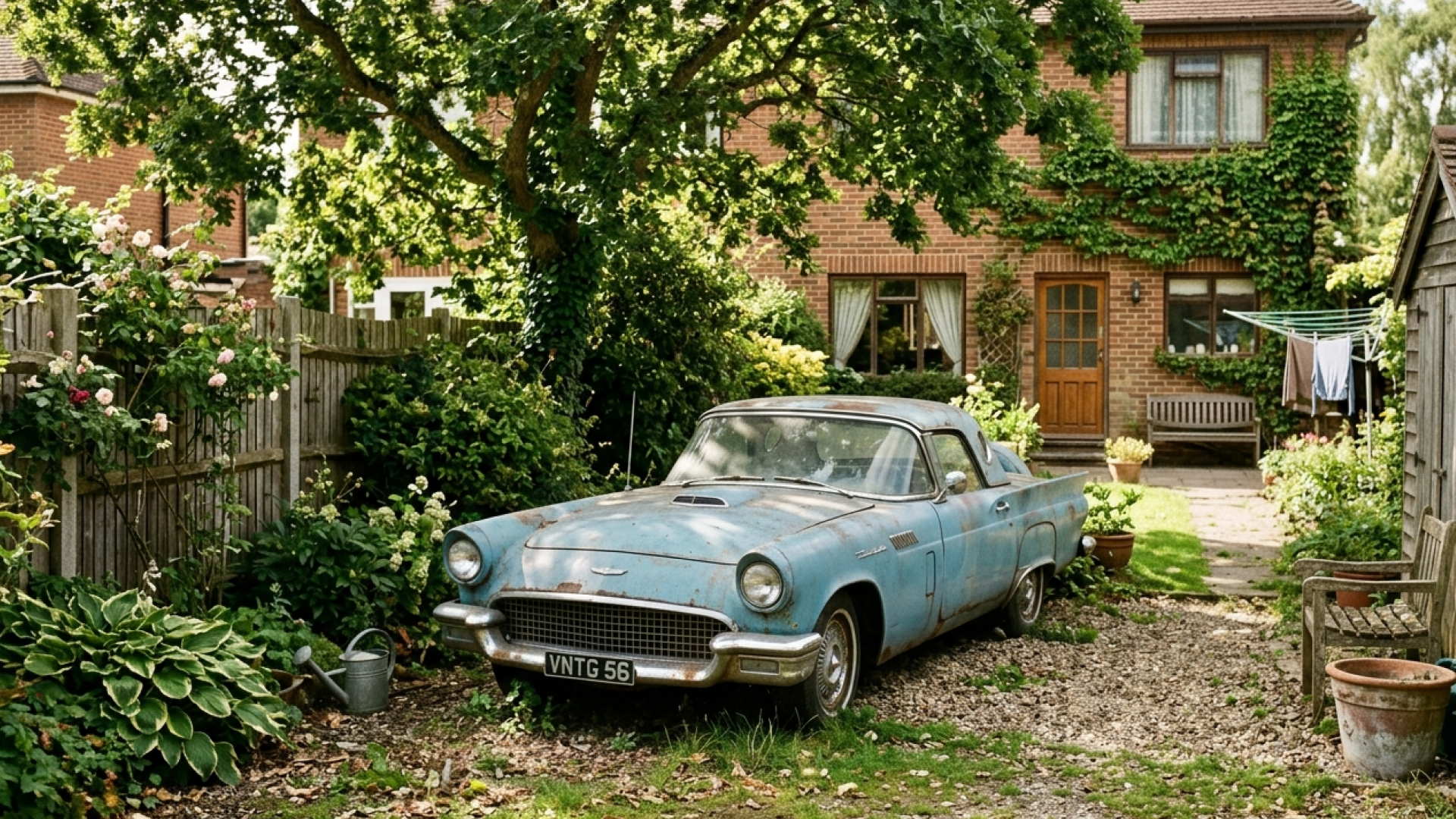
An old vehicle sitting in your driveway, garage, backyard, or on your property can become more than just an eyesore. It takes up valuable space, may continue to deteriorate over time, and can become one more item on a growing list of things to deal with.
Whether it's a non-running car, a damaged truck, an abandoned project vehicle, or an SUV that has simply reached the end of its useful life, many Portland property owners eventually ask the same question:
What's the easiest way to remove an unwanted vehicle from my property?
The good news is that removing an unwanted vehicle doesn't have to involve expensive repairs, online listings, or trying to find a private buyer. Professional junk car buyers have streamlined the process, allowing many vehicle owners to sell their unwanted cars quickly and have them removed directly from the property.
In this guide, we'll explain the simplest way to remove an unwanted vehicle, what to expect during the process, and why acting sooner can help prevent additional problems.
Why Unwanted Vehicles Become a Problem
Many vehicles remain on private property for perfectly understandable reasons.
Some common situations include:
The car stopped running.
Repair costs became too expensive.
You purchased a newer vehicle.
The vehicle was involved in an accident.
It belonged to a family member.
It was intended to become a restoration project.
It has been sitting unused for years.
While it may seem harmless to leave an unused vehicle where it is, prolonged storage often creates additional issues.
What Happens When a Vehicle Sits Too Long?
A vehicle that isn't being driven continues to age.
Over time, you may notice:
Dead batteries
Flat tires
Rust and corrosion
Fluid leaks
Interior deterioration
Mold and mildew
Rodent damage
Weather-related wear
In Oregon's damp climate, moisture can accelerate many of these problems, particularly if the vehicle is stored outdoors.
The longer a vehicle remains unused, the more difficult and expensive it may become to move or repair.
Why Many Owners Delay Removing an Unwanted Vehicle
It's common for owners to postpone dealing with an old car.
Some of the most common reasons include:
Hoping to Repair It Someday
Many vehicles begin as future repair projects that never get completed.
Not Knowing Where to Start
Some owners assume selling an old vehicle is complicated.
Believing the Vehicle Has No Value
Even non-running vehicles often retain value because of recyclable materials and reusable parts.
Worrying About Towing
Many people don't realize that professional junk car buyers commonly arrange vehicle pickup, even if the car no longer starts.
The Simplest Way to Remove an Unwanted Vehicle
For many Portland vehicle owners, selling to a professional junk car buyer is the easiest solution.
Rather than trying to repair the vehicle or advertise it privately, the process is designed to be straightforward.
A typical process includes:
Request a quote.
Provide basic vehicle information.
Schedule pickup.
Complete ownership paperwork.
Receive payment when the vehicle is removed.
Because the buyer handles transportation through free towing services, there's usually no need to arrange your own towing.
Step 1: Gather Basic Vehicle Information
Before requesting a quote, it's helpful to know:
Year
Make
Model
Vehicle condition
Whether it runs
Vehicle location
Providing accurate information helps buyers prepare an appropriate offer and schedule the right towing equipment if necessary.
Step 2: Request a Quote
Many buyers provide quotes after reviewing the vehicle's basic details.
They may ask about:
Mechanical condition
Accident history
Title status
Accessibility
Being honest about the vehicle's condition helps ensure a smoother transaction and an accurate junk car valuation.
Step 3: Schedule Vehicle Pickup
Once you accept an offer, pickup is typically arranged at a convenient time, often with options for same-day removal.
Many unwanted vehicles require towing because they:
No longer start
Have flat tires
Have mechanical failure
Have been sitting for years
Professional buyers commonly handle these situations seamlessly.
Step 4: Complete the Required Paperwork
Ownership documentation helps confirm that the vehicle can be legally sold.
Requirements vary, but commonly include:
Vehicle title (or understanding how to proceed without a title)
Government-issued identification
Bill of sale documentation when applicable
Having paperwork prepared in advance helps you avoid common paperwork mistakes and makes pickup faster and easier.
Step 5: Remove the Vehicle
On the scheduled day, the buyer typically:
Verifies the vehicle
Completes any remaining paperwork
Loads the vehicle
Removes it from your property
Provides cash on the spot according to the agreed terms
Once the vehicle leaves, you immediately regain the space it occupied.
Benefits of Removing an Unwanted Vehicle
Many owners are surprised by how much of a difference removing an unused vehicle can make.
Reclaim Valuable Space
Old vehicles often occupy:
Garages
Driveways
Parking spaces
Side yards
Storage areas
Removing them creates space for vehicles, storage, or other projects.
Eliminate Ongoing Maintenance
Even unused vehicles require attention.
Selling eliminates concerns about:
Flat tires
Dead batteries
Fluid leaks
Rust progression
Reduce Property Clutter
A vehicle that hasn't moved in years can affect the appearance and functionality of your property.
Removing it creates a cleaner, more organized space.
Avoid Future Deterioration
Weather continues affecting parked vehicles.
Selling before additional deterioration occurs may help preserve more of the vehicle's remaining value.
What Types of Vehicles Can Be Removed?
Professional junk car buyers often purchase a wide variety of vehicles.
These may include:
Cars
Pickup trucks
SUVs
Vans
Vehicles may be:
Non-running
High mileage
Accident damaged
Weather damaged
Rusted
Mechanically damaged
Common Situations That Lead to Vehicle Removal
Many Portland owners remove vehicles because they:
No Longer Run
Mechanical failure often makes repairs impractical.
Cost Too Much to Repair
Major engine or transmission repairs may exceed the vehicle's value. You may often wonder if it is worth repairing an old car before letting it go.
Have Been Replaced
A newer vehicle makes the older one unnecessary.
Have Become Safety Concerns
Long-unused vehicles can develop significant deterioration over time.
Mistakes to Avoid Before Selling
To help ensure a smooth transaction, review these top tips before selling:
Removing Valuable Parts: Keeping major components intact generally helps preserve value.
Waiting Too Long: Additional years of outdoor storage often increase deterioration.
Providing Inaccurate Information: Being honest about the vehicle's condition helps prevent delays during pickup.
Misplacing Ownership Documents: Preparing paperwork ahead of time simplifies the process.
Why Selling Is Often Easier Than Private Listings
Turning old cars into instant cash without online listings avoids the hassle of traditional private sales.
Selling privately often involves:
Taking photos
Creating listings
Responding to messages
Meeting potential buyers
Negotiating prices
Handling no-shows
For vehicles that no longer run or need significant repairs, this process can be time-consuming and frustrating.
Professional junk car buyers eliminate many of these challenges by purchasing vehicles in their current condition.
Common Myths About Removing Old Vehicles
Myth: A Non-Running Vehicle Can't Be Removed
Reality: Many buyers specialize in vehicles that require towing.
Myth: An Old Car Has No Value
Reality: Even vehicles that no longer run often contain valuable recyclable materials and reusable parts.
Myth: I Need to Repair It First
Reality: Most junk car buyers purchase vehicles as-is.
Myth: The Process Takes Weeks
Reality: In many cases, the process can be completed much faster than selling through traditional methods.
Frequently Asked Questions
Can I remove a vehicle that hasn't run in years?
Yes. Many junk car buyers regularly purchase long-unused vehicles.
Do I need to tow the vehicle myself?
In many cases, no. Professional buyers often arrange vehicle pickup through free towing.
Can damaged vehicles be removed?
Yes. Accident-damaged and mechanically damaged vehicles are commonly purchased.
What if the tires are flat?
Flat tires usually do not prevent vehicle removal.
Does the vehicle need current registration?
Registration requirements vary, but proof of ownership is generally more important.
Can trucks and SUVs also be removed?
Yes. Many buyers purchase cars, trucks, SUVs, and vans.
Is it better to remove the vehicle sooner?
Often yes. Finding the best time to sell a junk car prevents additional weather exposure and further deterioration.
Does the vehicle need to be cleaned first?
No. Most buyers purchase vehicles regardless of cosmetic condition.
Conclusion
Removing an unwanted vehicle from your property doesn't have to be complicated. Whether your car has been sitting unused for years, no longer runs, or simply isn't worth repairing, selling it to a professional junk car buyer is often the easiest and most convenient solution.
Instead of spending time creating online listings, arranging repairs, or trying to transport a non-running vehicle yourself, many Portland property owners choose a straightforward process that includes a quote, scheduled pickup, and vehicle removal.
By removing the vehicle sooner rather than later, you can reclaim valuable space, avoid additional deterioration, and simplify your property maintenance.
Ready to Remove an Unwanted Vehicle From Your Property?
If you have an old car, truck, SUV, or van that's taking up space, Cash For Junk Cars NW makes it easy to turn that unwanted vehicle into cash while arranging convenient removal. Learn more about our team, explore our full range of junk car removal services, or contact us today to request a quote.
Removing an unwanted vehicle can be simpler than you think—and it could be the first step toward reclaiming valuable space on your property.